


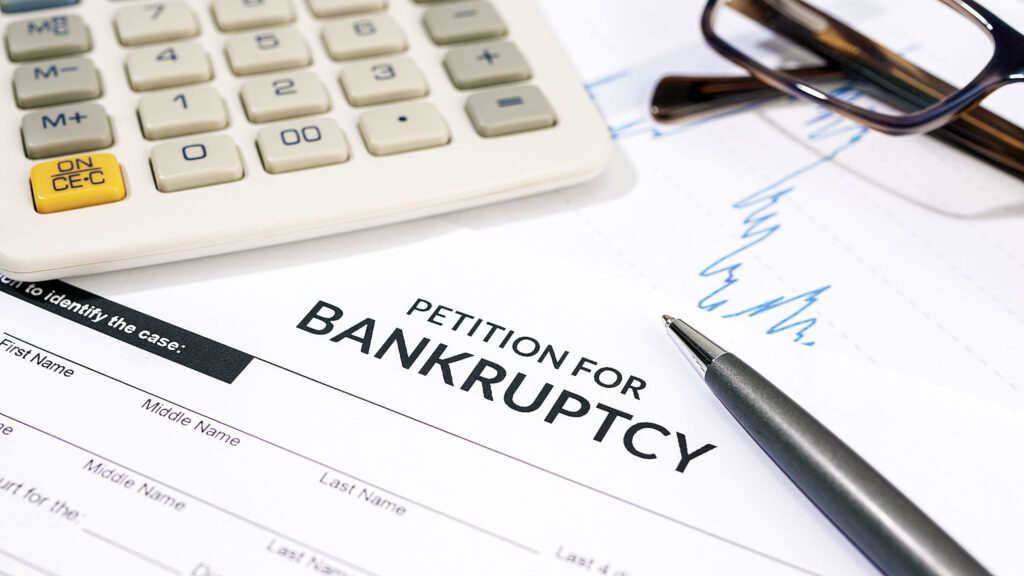
Many Poles in New York treat the word “bankruptcy” as a final failure. Meanwhile, in American law, it is a tool designed to give you a “fresh start” – a clean slate. If debt collectors are calling from morning till night, and interest is eating up your paycheck, it’s time to consider legal options.
Chapter 7 or Chapter 13 – which one to choose?
This is the most common question we hear at our law firm in Greenpoint. The choice depends on your income and assets:
- Chapter 7 (Liquidation): Allows for the complete discharge of debts such as credit cards or personal loans. The entire process usually takes a few months.
- Chapter 13 (Repayment Plan): If you earn too much for a “seven” or want to protect your home from foreclosure, the court sets a repayment plan for 3 to 5 years.
Will I lose everything after filing for bankruptcy?
No. New York State law provides for so-called “exemptions” – protections that safeguard basic assets, such as a car, tools of the trade, or a portion of your home’s value. The key is to fill out the application correctly.
How to start the procedure?
- Gather financial documentation (statements, bills, tax returns).
- Consult with an attorney to assess whether you qualify for debt discharge.
- File a petition in bankruptcy court.
Schedule a bankruptcy consultation.

