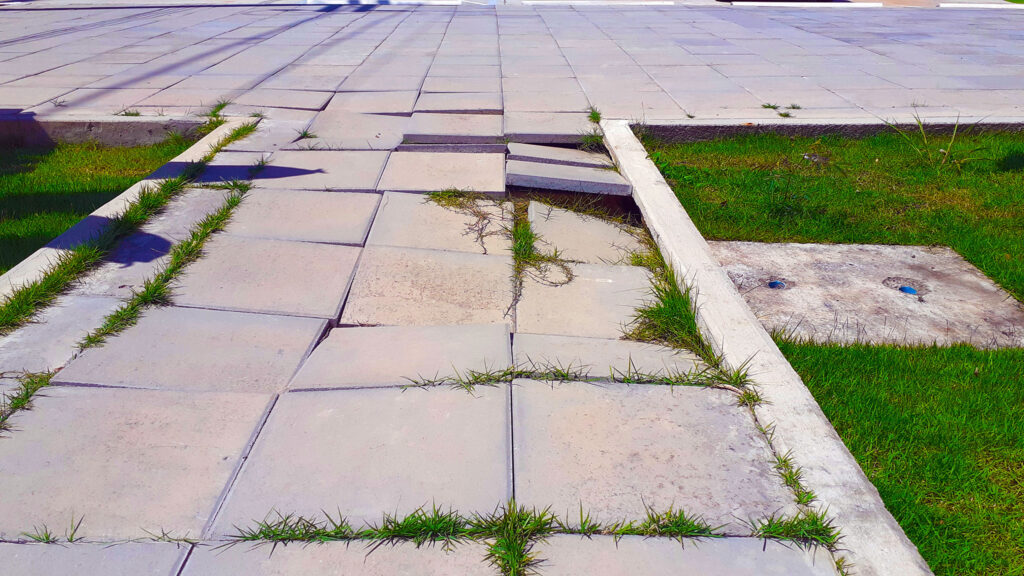
Slipping on ice or tripping over an uneven sidewalk in New York is not just a moment of embarrassment – it often leads to serious fractures and months of rehabilitation. Building owners have a legal obligation to keep their premises in a safe condition.
Where do acts of negligence most often occur?
- Unshoveled sidewalks: The owner has a limited amount of time to clear snow and ice after precipitation.
- Wet floors in stores: Lack of signage regarding a slippery surface after cleaning or a spill.
- Poor condition of stairwells: Dark hallways, missing handrails, or torn carpeting.
- Potholes in sidewalks and parking lots: Negligence in infrastructure in front of the property.
How to prove the owner’s fault?
Slip and Fall cases are difficult because insurance companies always claim that “you should have been watching where you were walking.” To win, we must demonstrate that the owner knew about the hazard (or should have known about it) and failed to remove it.
Key successes:
Thanks to meticulous evidence gathering and expert opinions, we obtain compensation for our clients in the hundreds of thousands of dollars for spinal, knee, and wrist injuries. Remember: take a photo of the accident scene immediately, before the ice melts or the hole is patched.
Have you suffered an injury due to someone else’s negligence?
[Check how Edward Sanocki fights for your compensation].