
Car buying in the USA is best started with a pre-approval and a locked rate — that way you negotiate with the dealer like a cash buyer. This guide covers financing for new and used cars, the free CARFAX report and GAP Plus protection.
Buying a car the smart way in the USA starts with pre-approval: a preliminary loan approval with a locked rate that you get before visiting the dealer. It lets you negotiate like a cash buyer. On used cars you also get a free CARFAX, and financing reaches up to 100 percent with GAP Plus protection, with terms up to 84 months for new vehicles over $30,000.
A trip to the showroom can turn into a game where the dealer sets the rules. First the car price, then the financing, then the add-ons — and before you know it, the monthly payment has climbed by a hundred dollars. Sound familiar? Just flip the order and walk in with financing already in hand.
This guide shows how to prepare for a car purchase so you stay in control of your wallet. How financing differs for new and used cars, why it’s worth checking a vehicle’s history before signing, and what hides behind abbreviations like GAP and rate lock. In plain language, without the salesperson’s jargon.
How Do Pre-Approval and Rate Lock Work on a Car Loan?
Pre-approval is a preliminary loan approval with a set amount that you receive before you even choose a car. In practice, you walk into the showroom with a concrete budget and a locked rate, not empty-handed. The salesperson then treats you like a cash buyer, because your financing is already handled elsewhere — and that shifts the conversation from “how much can you pay each month” to “what does this car really cost.”
Getting pre-approved is simpler than it sounds. The lender reviews your credit history and income, then determines the amount you can count on. It pays to have basic documents ready — proof of employment and income — because that speeds up the decision. With pre-approval in hand, you also save time at the dealership itself: you’re not waiting while the dealer contacts their lenders and comes back with an offer that isn’t necessarily best for you.
A rate lock is the mechanism that protects you while you shop. A fixed rate is reserved for you for a set period, so even if market rates move, your terms don’t change. That takes the pressure off — you don’t have to buy the first car you see just because you’re afraid of a rate hike. Financing covers both new and used cars, and the repayment term can be tailored to your lifestyle: for new vehicles over $30,000, longer terms are available, up to 84 months, and payments can be withdrawn automatically (autopay) from a savings or checking account.
What Affects the Cost of a Car Loan?
The real cost of financing involves more than the rate alone. The key factors are the loan amount, the length of the repayment term, and whether the car is new or used. A longer term means a lower monthly payment but more interest paid overall — a classic trade-off worth running the numbers on with a clear head. A lower payment looks attractive on paper, but stretched over years it can cost more than it seems. You’ll also find an independent overview of financing costs in the Consumer Financial Protection Bureau’s auto loans guide (consumerfinance.gov).
With used cars, the vehicle’s history comes into play. A free CARFAX report, available with financing, shows accidents, mileage and previous owners. This isn’t a formality — a car with a hidden collision can cost you thousands in repairs the purchase price never hinted at. The report also flags mileage discrepancies or title history, such as whether the car was ever written off. Better to check before signing than to regret it after.
A separate matter is GAP Plus protection, which enables financing up to 100 percent of the car’s value. GAP covers the difference between the loan balance and the vehicle’s value in a total loss — so if the car is gone right after purchase, you aren’t left owing money on something you no longer have. This matters especially in the early years, when a new car loses value fastest and the loan balance can exceed what ordinary insurance would pay out. We don’t quote specific rates here, since they can change — check current rates at unitedpolesfcu.com or call 1-800-333-7713.
Want to know your budget before you head to the showroom? Call for a free consultation in Polish: 1-800-333-7713.
Buying a Car in New Jersey and the Tri-State Area — What to Know
Polish-American buyers across New Jersey, New York, Pennsylvania and Connecticut buy cars under rules that differ from state to state. In NJ, registration, tax and insurance can raise the total cost of ownership significantly, so the monthly loan payment is only part of the bill. It pays to count the whole thing before you sign — a car costs you not just at the start but in every month of use.
Around Perth Amboy and the corridor along New Brunswick Avenue, many drivers commute by car every day, often over long distances. A reliable car isn’t a luxury but a work tool — which is why the timing of the purchase and the vehicle’s mechanical condition genuinely matter here. Tri-state winters can be harsh, and road salt doesn’t spare the undercarriage. On a used car, then, it’s worth inspecting not just the paint but the spots where corrosion most often appears.
It’s also worth knowing that financing isn’t limited to passenger cars. If you run a small business, loans for business vehicles are available — a limousine, a truck, a trailer or another commercial vehicle. Dreaming of a boat, jet ski, motorcycle, ATV or snowmobile? Recreational vehicle loans are part of the offering too. One financial partner, many needs — which makes life easier when you keep all your obligations at one institution that knows your history.
What to Look For When Choosing a Loan and a Credit Union
Financing a car is a commitment for several years, so the choice of lender matters. Before you sign, check these five things:
- Availability of pre-approval and rate lock. Check whether you can get preliminary approval with a locked rate before choosing a car. That gives you the negotiating position of a cash buyer and protects you from rate swings while you shop.
- Service in your language. A loan agreement is full of terms that are easy to overlook. A Polish-speaking advisor who explains every clause lowers the risk of signing something unfavorable under a salesperson’s pressure.
- Repayment flexibility and no penalties. Ask about penalty-free extra payments and automatic withdrawals. A lender that doesn’t penalize faster repayment and lets you make larger payments treats you as a partner.
- Ownership model and deposit protection. At a credit union built as member-owner, profits return to members rather than outside shareholders. Check too whether accounts are insured by the NCUA up to at least $250,000.
- Extra protection and transparency. Ask whether a used car comes with a free vehicle-history report and whether protection is available to cover the value gap in a total loss. These add-ons can rescue a budget when things go wrong.
This Polish-American federal credit union in Perth Amboy meets these criteria — see the full auto loan offering and member reviews. If you’re planning a bigger purchase, such as a home, it’s also worth reading the guide on buying your first home in the USA.
Want financing ready before you visit the dealer? Ask about pre-approval — call: 1-800-333-7713.
The Most Common Car Financing Mistakes
The first mistake is focusing only on the size of the monthly payment. A dealer will happily stretch the term to make the payment look attractive, but you’ll pay more interest overall. Look at the total cost of the loan, not just the number you see on the contract. A low payment over a very long term is often a worse deal than a slightly higher payment over a shorter one.
The second mistake is buying a used car without checking its history. A nice paint job says nothing about the vehicle’s past. A free CARFAX report takes a moment and can save you from buying a car with a serious collision behind it or a tampered odometer. In short: history first, signature second. It’s also worth not skipping an independent mechanical inspection if the car already has some years on it.
The third mistake is giving in to pressure for add-ons sold at the closing table — extended warranties, service packages or paint protection whose real value you don’t have time to assess. Good financing starts before you walk into the showroom, not in its office. With a pre-approval in hand, a verified vehicle history and clear repayment terms, you control the deal from start to finish. The rest is the joy of new keys.
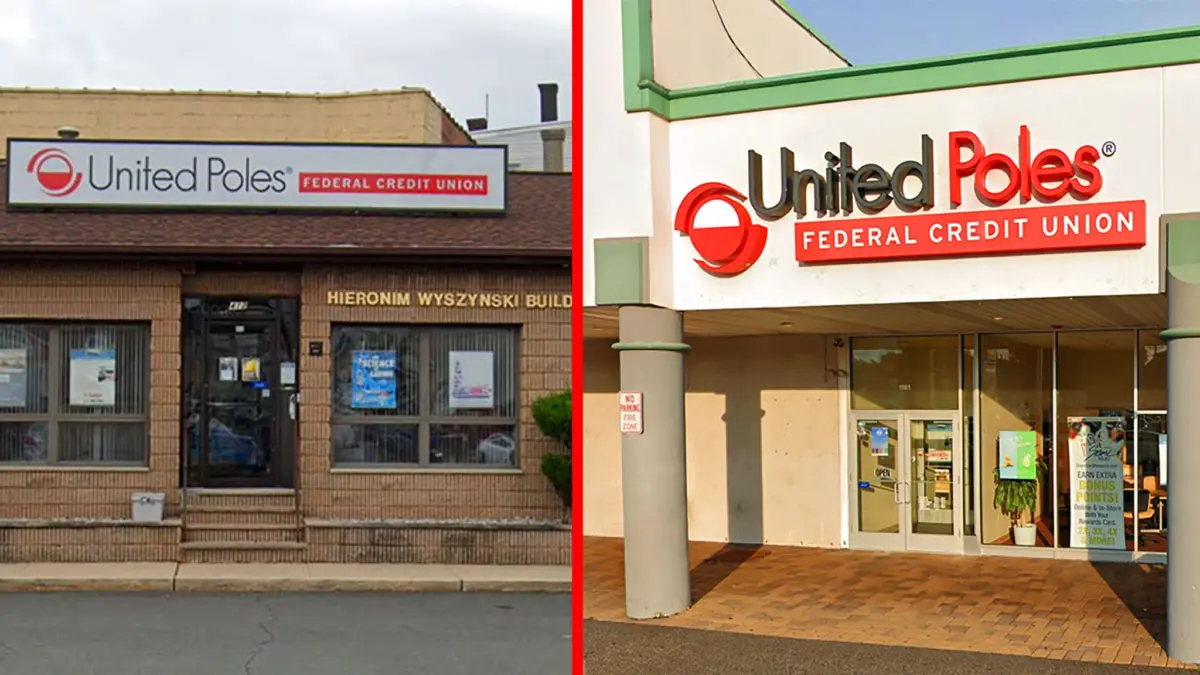
Talk to an expert about your car budget — call: 1-800-333-7713 or visit unitedpolesfcu.com. United Poles Federal Credit Union, 412 New Brunswick Avenue, Perth Amboy, NJ 08861. Branches also in Linden and East Brunswick. Your financial partner for life.
This material is for informational purposes only and does not constitute financial advice. Rates and terms are subject to change — details at unitedpolesfcu.com or call 1-800-333-7713. Accounts insured to at least $250,000 by the NCUA. NMLS #464203.