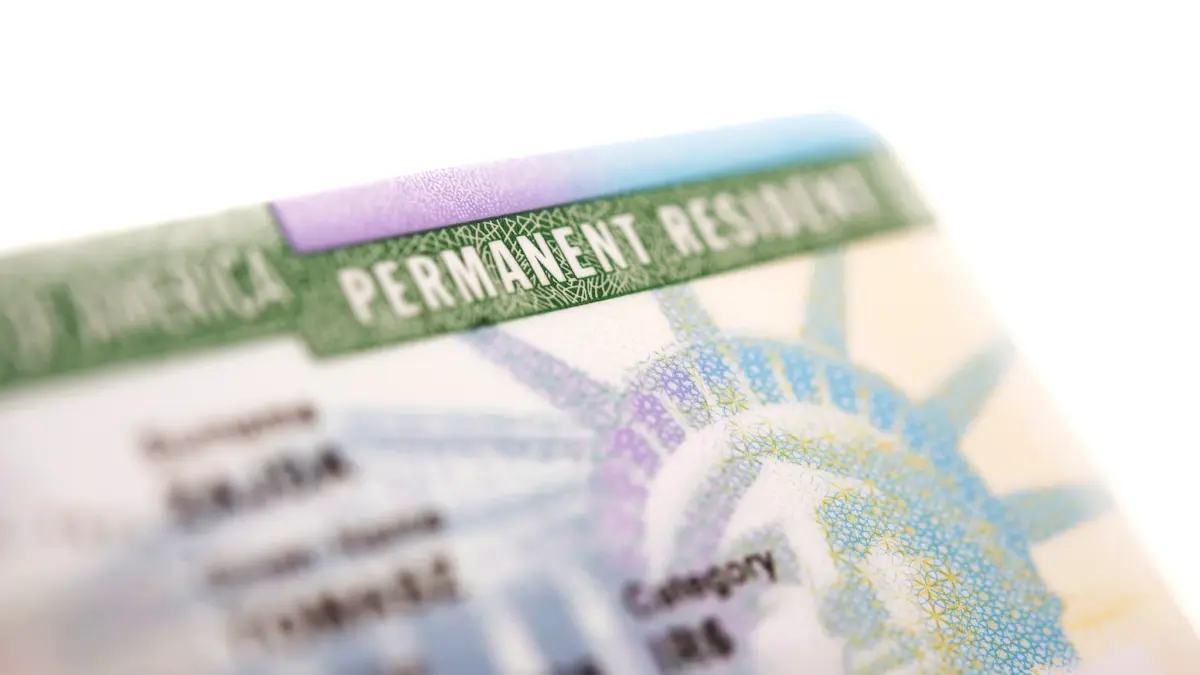
The wait for a family green card depends on the category. Spouses and unmarried children under 21 of U.S. citizens, and parents of citizens who are at least 21, are not subject to annual visa limits. Other relatives fall into the numerically limited preference categories F1–F4, and their order is set by the date the I-130 petition was filed — the priority date.
“We filed papers for my sister years ago and nothing is happening” — this is one of the most common things immigration attorneys hear from the Polish community. Most often the case is not stuck at all. It is simply waiting in a queue whose length is set by law and by the number of applicants from around the world. Understanding which queue a person is in makes it possible to plan life on both sides of the ocean realistically.
Family sponsorship is one of the main practice areas of the law office of attorney Przemysław Jan Bloch. As the firm notes on its website, apart from the immediate relatives of citizens, the preference categories usually involve a multi-year wait, and for siblings of citizens the wait can be measured in well over a decade. Below we explain why.
Who counts as “immediate family,” and who waits in a preference category?
Immigration law divides relatives into two groups. The first are the so-called immediate relatives of a U.S. citizen: a spouse, children (unmarried, under 21) and parents — provided the citizen is at least 21 years old. Under 8 U.S.C. § 1151(b)(2)(A)(i) these individuals are not subject to annual visa limits, so they do not wait in the queue set by the Visa Bulletin.
The second group are the preference categories. F1 covers unmarried sons and daughters of citizens (age 21 and over). F2A covers spouses and children of permanent residents, F2B — unmarried sons and daughters of permanent residents aged 21 and over. F3 covers married sons and daughters of citizens, and F4 — brothers and sisters of adult U.S. citizens. Each of these categories has its own annual pool of visas.
The process begins with an I-130 petition filed by a citizen or permanent resident. The date it is filed is the priority date. It determines when the person “reaches” the front of the queue. In the preference categories, an approved petition alone does not yet mean a visa — it means a place in line.
It is also worth knowing that in the preference categories the case usually covers the sponsored person’s immediate family. If a citizen sponsors a brother, the brother’s wife and his unmarried children under 21 may take part in the same case as accompanying family members. No separate petitions are needed for them, but their documents must be ready at the visa stage. It is different for immediate relatives of a citizen — there, each person needs a separate petition.
What determines the waiting time and the cost of a family case?
Three elements affect the length of the wait. The first is the statutory pool: for years, the total limit for family preference categories has been 226,000 visas per year – the statutory minimum. The second is the per-country limit — no country may receive more than 7 percent of the combined family and employment preference pool. The third is demand: the more people around the world waiting in a given category, the more slowly the dates move.
Poland is not listed in the bulletin as an oversubscribed country, so Poles use the dates in the column for all other countries (All Chargeability Areas). That is good news compared with countries with record demand, but categories F3 and F4 are still among the longest queues in the entire system. We explain this step by step in the guide how to read the Visa Bulletin.
The cost of a family case includes government fees at successive stages (petition, visa or adjustment of status application, medical exam) and the law firm’s fee. The amount depends on whether the case concludes at a consulate or in the U.S., and on the number of accompanying family members. Government fees change, so they should be checked before each stage.
Let’s talk about your family in Polish: 718-522-6773
Family cases in the Polish community — what changes in practice?
Many Polish-American families in Greenpoint, Ridgewood or Garfield have loved ones both in the U.S. and in Poland. The most common scenario is a citizen parent who wants to bring an adult child, or a citizen sponsoring a sibling. In both cases, what matters is not only the category but also changes in the parties’ lives during the wait.
When a sponsored son or daughter of a citizen marries, the case moves to a different category, and for children of permanent residents it can even close this path, because there is no separate category for married children of residents. The naturalization of a sponsoring permanent resident also changes things — a spouse who was waiting in the F2A category may become an “immediate relative” of a citizen. A child turning 21 matters as well. Each such event is worth discussing before it happens, not after the fact.
Families often ask whether the case can be sped up. In the preference categories there is no way to “jump” the queue set by the priority date — everyone in a given category waits by the same rule. What can be avoided are delays that arise on the family’s side: missing certificates, untranslated documents, outdated contact details or incomplete forms at the visa stage. These are the elements that most often add months to a case.
People living in Poland complete a family case with an interview at the U.S. Embassy in Warsaw — after a medical exam with a physician designated by the embassy in Warsaw or Kraków — and since November 1, 2025, applicants must interview in their country of nationality or residence. If a job offer rather than family is involved, an alternative may be sponsorship by an employer through the PERM procedure.
How to prepare for your first consultation at the law office
- A document confirming the sponsor’s status. A U.S. passport, naturalization certificate or green card. The sponsor’s status determines which category the case falls into.
- Civil status records. Birth certificates proving the relationship, marriage certificates, any divorce decrees. In sibling cases, a common parent must be shown.
- Information about earlier petitions. If an I-130 was ever filed before, bring the filing receipt — the priority date from an earlier case can be very important.
- The sponsored person’s history of stay. Whether they are in the U.S., on what basis they entered, whether they have had visa refusals. This determines whether the case can be completed in the U.S. or through a consulate.
- Information on the sponsor’s income. The sponsor signs a commitment to support the sponsored family member, so recent tax returns should be at hand.
Przemysław Jan Bloch, P.C. has handled family cases since 1998 — see the firm’s profile and the matters it handles.
Mistakes that lengthen the family path to a green card
The costliest mistake is often delaying the petition. Since the queue is counted from the priority date, every year of delay is a year longer at the end. Families often postpone the decision “until the kids finish school” or “until things settle down” — yet filing a petition commits no one to anything, while securing a place in line.
The second mistake is not responding to correspondence from the National Visa Center when the date becomes current. Failing to provide the required documents within the set time can lead to the case being closed, and then years of waiting are lost. That is why the e-mail and mailing addresses in the case must stay current throughout the wait — including after a move.
The third mistake concerns people who are in the U.S. while waiting. An approved family petition does not grant the right to stay or to work, and overstaying can later complicate or prevent completing the case. Before the sponsored person decides to come, extend a stay or leave the U.S., it is worth checking how this will affect their family immigration case.
Family sponsorship requires patience, but it does not have to be a lottery. Once you know which category the case is in and how the dates move, you can plan studies, work or the sale of an apartment in Poland in advance.
The best place to start is checking which category your loved ones are in and what could change their situation. Schedule a consultation with Przemysław Jan Bloch, P.C.: 718-522-6773
Every case requires an individual assessment — please contact Przemysław Jan Bloch, P.C. about your situation. This guide is for informational purposes only and does not constitute legal advice.
Attorney Advertising.