The choice between a crown, a bridge, a denture and an implant crown depends on how many teeth are missing or weak, the state of the neighboring teeth and whether you already have an implant. The dentist sets the final plan after an exam and X-rays, weighing comfort, looks and insurance.
Few patients walk into a dental office asking for a bridge. It usually starts with a cracked tooth, an old crown that no longer fits, or a gap someone has lived with for years until it starts getting in the way at meals. Only in the chair does it become clear that there are several ways to fix it, each with its own strengths.
This guide walks through the questions patients ask most often about prosthetic dentistry: how the main restorations differ, what affects the cost, how an implant is restored with a crown, what a flexible denture is, and how to prepare for the first visit. It does not replace an exam, but it will help you ask the right questions and take an active part in planning your treatment.
Crown, bridge or denture – what decides the choice?
A crown restores a single tooth that is still rooted in the bone but has been weakened, cracked or filled so extensively that little natural structure remains. It covers the tooth like a precisely fitted cap and brings back its shape and biting function. The American Dental Association also lists discolored or badly shaped teeth, anchoring a bridge and covering an implant among the typical reasons for a crown (the ADA’s overview of dental crowns).
A bridge comes into play when one or more teeth in a row are missing and the teeth on both sides of the gap can serve as supports. It is a fixed restoration that the patient does not take out. Whether it makes sense depends on the health of those supporting teeth, which is why the dentist checks them on X-rays and in the exam before suggesting this route.
A denture is often the answer when several teeth are missing or when a bridge would not have adequate support. A partial denture replaces some teeth; a complete denture replaces a full arch. The decision usually involves balancing comfort, appearance and the scope of treatment, so it deserves an unhurried conversation with the dentist.
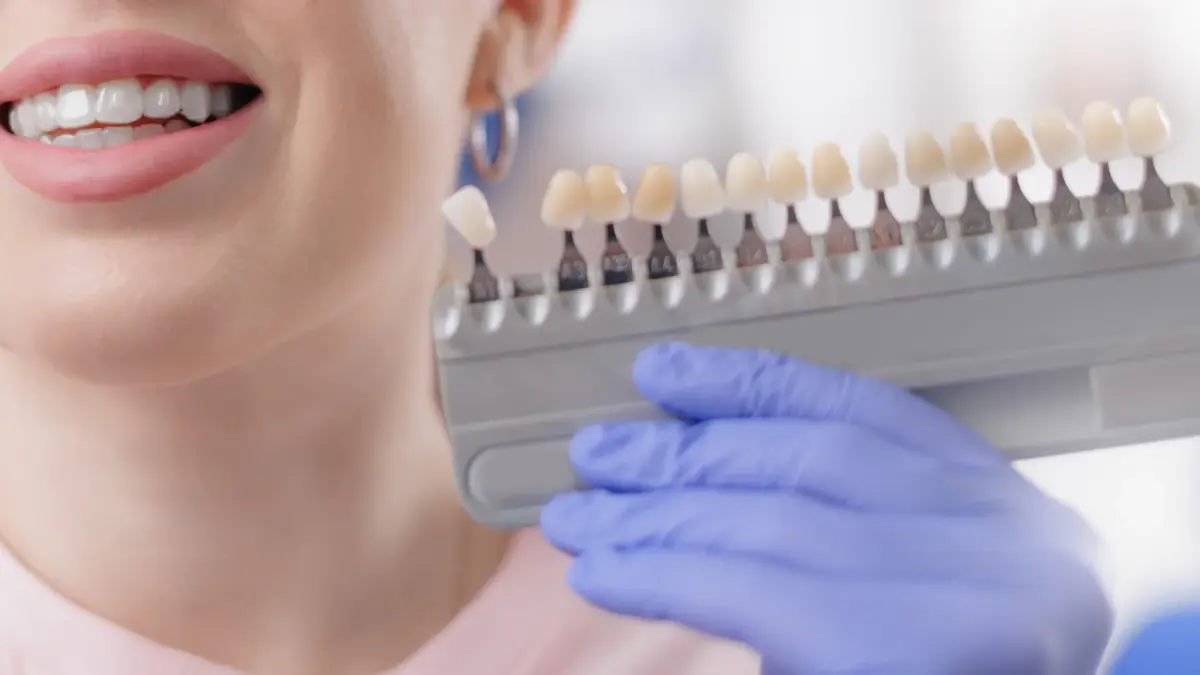
Many patients also want to know whether the restoration will be noticeable. The color and shape of a crown, a bridge or denture teeth are matched to the neighboring teeth and to the face, so the smile looks consistent. Images on the monitor in front of the chair make it easy to go over what can be improved during the restoration.
What affects the cost of prosthetic treatment?
The biggest factors are the type of restoration and how many teeth it involves. A single crown, a multi-tooth bridge and a complete denture are priced very differently. It also matters whether preparatory work is needed first, such as replacing old fillings.
Insurance is the second factor. Dental plans differ in whether and how much they cover prosthetic work, and some require approval from the insurer in advance. City Dental Care accepts most dental insurance plans, including PPO and union plans, but the details of your specific plan are best confirmed before treatment begins.
The third consideration is timing. When several restorations are planned, treatment is often divided into stages, which makes scheduling and budgeting easier. A meaningful conversation about cost happens after the exam, once it is clear what actually needs to be done.
Talk through your treatment plan in English or Polish: 718-456-2727
How is an implant restored with a crown?
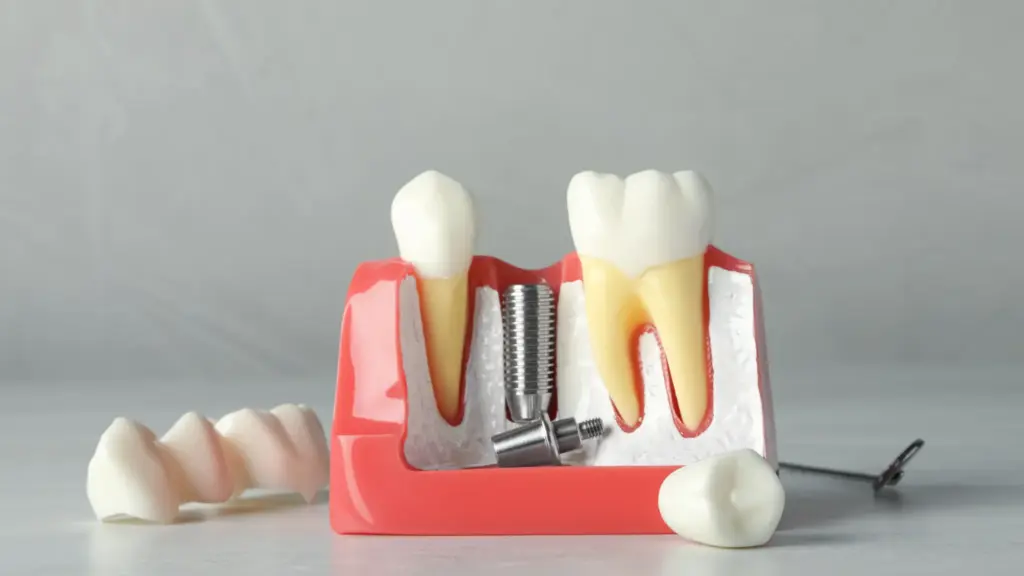
An implant replaces the root of a tooth. On its own it is not yet a tooth: once it has healed, it needs a crown – the visible part responsible for appearance and chewing. Many people already have an implant placed earlier and are looking for an office to complete it with a crown.
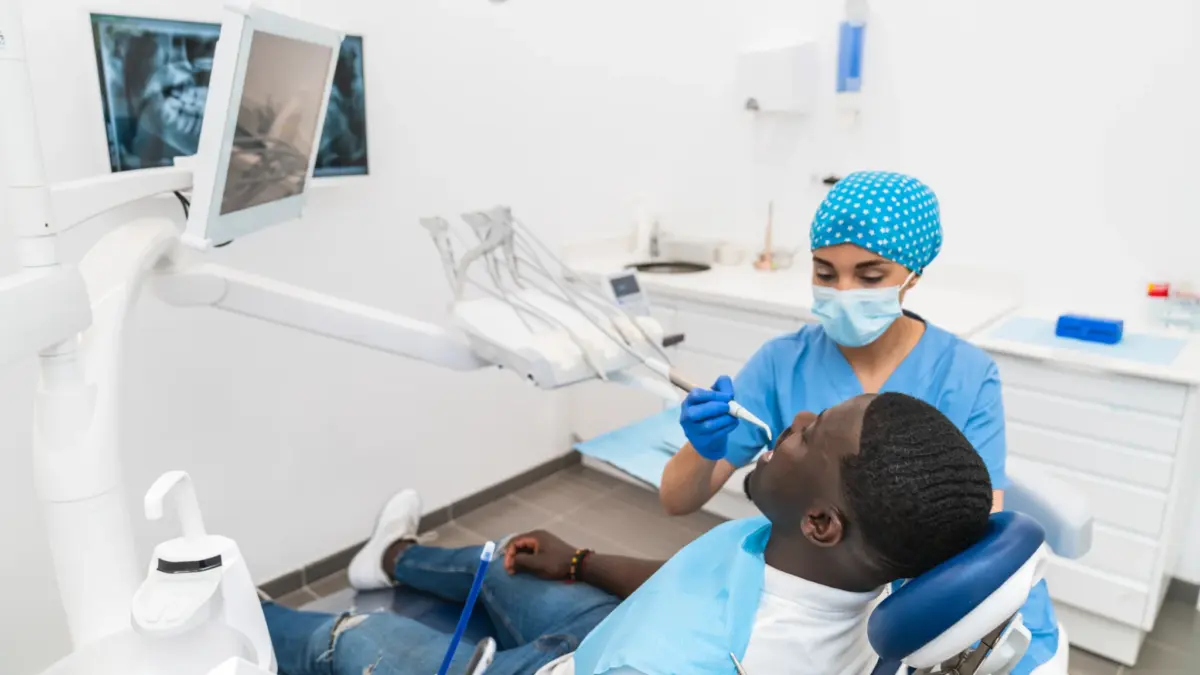
The first step is evaluating the implant and the surrounding tissue through an exam and an X-ray. At Dr. Dorota Kwapisiewicz’s practice, X-rays are digital and shown on a monitor in front of the chair, so the patient sees exactly what the dentist sees. That evaluation determines whether and when the crown can be made and what the following visits will look like.
The goal, as the practice describes it, is a tooth that looks and works like a natural one. The scope of treatment is always decided after an exam, because every implant and every mouth is different. If you are also thinking about the look of your whole smile, see our guide to Lumineers and teeth whitening.
What is a flexible denture, and how should dentures be cared for?
A flexible denture is made from a pliable material and is an alternative to a rigid denture. For some patients with partial tooth loss it works well, but not in every situation. Whether it is a good fit is decided by the dentist after assessing the conditions in the mouth.
Whatever the type, daily care matters. The ADA recommends rinsing and brushing dentures every day with a soft-bristled brush and a non-abrasive cleanser, keeping them in water when they are not being worn, and brushing the gums, tongue and roof of the mouth even with complete dentures (ADA tips on denture care).
Dentures also need follow-up. After a new denture is delivered, a few visits are usually needed to adjust the fit, and later on regular checkups confirm that it still sits properly. If a denture starts to rub, loosen or gets damaged, it is better to call the office than to wait. For what a routine dental checkup involves, read our guide to checkups and oral hygiene.
Restorative dentistry in Queens – why the language of the conversation matters
Prosthetic treatment usually means several visits and a series of decisions: which restoration to choose, in what order to treat individual teeth, how to stage the work and how to care for the new restoration. When the conversation takes place in a language you are less comfortable with, details slip by and questions go unasked.
For many families in Ridgewood, Glendale, Middle Village and Maspeth, it helps to have a practice where the plan can be discussed in English or in Polish – for instance when an adult son or daughter raised in New York comes along with a parent. The hardest part is often the first step: booking the visit and talking about your concerns. Being able to do that in the language you know best makes it much easier.
It matters for the paperwork, too. Dental insurance in the US comes with its own rules, waiting periods and limits, and patients should understand what their plan covers before agreeing to treatment. Appointments with Dr. Kwapisiewicz are best made by phone, and that first call is a good moment to ask which documents to bring.
How to prepare for your visit to City Dental Care
- Bring your insurance card. It allows the office to check right away how your plan covers prosthetic work and whether prior approval is needed.
- List your medications. A complete list of medications and supplements helps the dentist plan treatment safely.
- Bring your implant records, if you have them. Information from the office where the implant was placed makes planning the crown easier.
- Bring your current denture or describe your old crown. The dentist will assess whether the existing restoration can be adjusted or should be replaced.
- Write down your questions. How many visits the plan includes, how long treatment will take and how to care for the restoration afterward – all of this can be discussed in English or in Polish.
City Dental Care in Ridgewood handles prosthetic care from the first consultation to the follow-up of the finished restoration – see the practice’s services and details in the PolishPages directory.
Common mistakes when replacing missing teeth
The first mistake is putting the decision off. A gap does not go away, and the teeth around it carry extra load; the longer the delay, the harder planning can become later. The second is choosing a solution only because it worked for a friend – every mouth is different.
The third is wearing an old, poorly fitting denture for years and trying to “fix” it at home. The fourth is skipping follow-up visits after a crown or bridge is placed, and the fifth is neglecting daily hygiene around restorations, which need the same care as natural teeth.
Crowns, bridges, dentures and implant crowns are not competing products – they are tools for different situations. A well-chosen restoration comes from an exam, an honest conversation and a clear plan, not from whichever option happens to be talked about most.
Once the work is done, daily hygiene and regular checkups matter just as much. They determine how comfortable chewing feels and how the smile looks for years to come.
Schedule a restorative consultation at City Dental Care: 718-456-2727
This article is for informational purposes only and does not constitute medical advice. Every situation requires an individual assessment — please contact City Dental Care about your treatment.