A checkup is an exam of the teeth, gums and mouth, often paired with a professional cleaning above the gumline. A deep cleaning (scaling and root planing) treats the root surfaces below the gums and is done only when an exam shows it is needed. Your dentist decides how often you should come in.
Most of us start wondering when we last saw a dentist only when a tooth twinges at something cold or an old filling chips. Teeth, however, can stay quiet for a long time. Tartar builds up slowly, a cavity under a filling grows without warning, and changes in the soft tissues of the mouth are easy to miss in the bathroom mirror.
This guide covers the questions patients ask most often before a routine visit: how the different cleaning procedures compare, what affects the cost, how to prepare for a checkup and which habits work against you between visits. Knowing this ahead of time helps you walk in with the right questions and get more out of your time in the chair.
How is a checkup different from a cleaning or a deep cleaning?
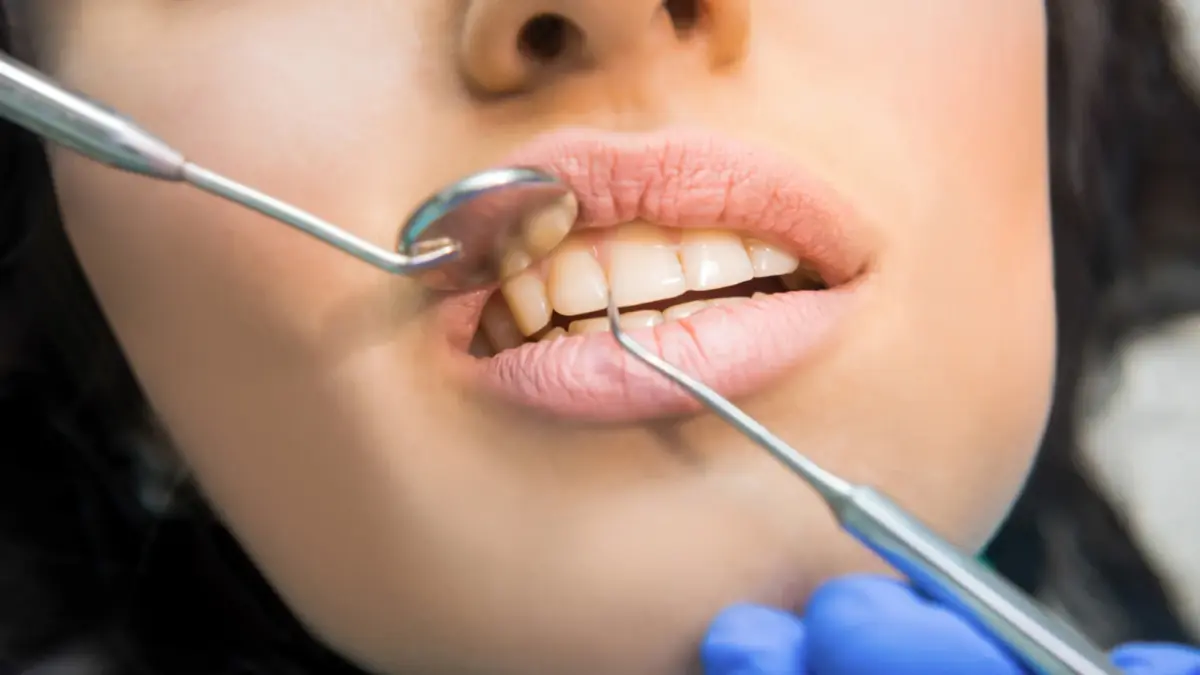
A checkup is first and foremost an exam. The dentist asks about your health and medications, looks at your teeth and gums, checks existing fillings and orders X-rays when they are needed. A routine visit also includes an oral cancer screening – a look at the tongue, cheeks, palate and floor of the mouth. The American Dental Association describes these steps on its patient site (MouthHealthy – common questions about going to the dentist).
A professional cleaning, sometimes called a prophylaxis, removes tartar and buildup from tooth surfaces above the gumline and from spots a toothbrush cannot reach. It is preventive care: it keeps healthy teeth healthy and gives the dentist a clear view of enamel and fillings.
A deep cleaning – scaling and root planing – is a different procedure. It involves cleaning and smoothing the root surfaces below the gumline, where tartar has settled. It is not routine: the exam determines whether you need it, and the dentist also decides whether to split it into more than one visit.
For patients, the distinction is simple: checkups and regular cleanings are ongoing preventive care, while a deep cleaning responds to a specific condition found during the exam. If the doctor recommends one, she will explain where tartar has settled and why a regular cleaning cannot reach it – the chairside monitor makes it easy to point those areas out on the images.
What affects the cost of a checkup and cleaning?
The cost of a routine visit depends mostly on what it includes. A checkup with a standard cleaning is one thing; a visit that requires X-rays, or reveals that a deep cleaning should be scheduled, is another. Whether you need new X-rays, and which kind, depends on when you last had them taken and what the exam shows.
For a deep cleaning, what matters is how many areas of the mouth need treatment and whether the work is done in stages. That is why an honest conversation about cost can only happen after an exam – any number before that would be a guess.
Insurance plays a big part. City Dental Care accepts most dental insurance plans, including PPO and union plans. Coverage depends on your specific policy, so give the front desk your plan name and member ID before the visit and, if in doubt, check with your insurer how often it covers exams and cleanings.
Ask about an appointment and your insurance plan: 718-456-2727
Why a bilingual dental office in Ridgewood makes a difference
A checkup is largely a conversation – about habits, medications, sensitivity and what to do over the next few months. When you can have that conversation in the language you are most comfortable with, it is easier to ask follow-up questions instead of just nodding along. At Dr. Dorota Kwapisiewicz’s office on Myrtle Avenue, visits are conducted in English or Polish, whichever suits the patient.
That matters in many households in Ridgewood, Glendale, Middle Village and Maspeth, where older family members may prefer Polish while their adult children speak English every day.
Digital X-rays appear on a monitor in front of the chair, so you see exactly what the doctor sees and can ask right away what a particular spot means. If your checkup shows that treatment is needed, read our guide to fillings and restorative dentistry, and for replacing missing teeth, our guide to crowns, bridges and dentures.
How to prepare for your visit to City Dental Care
- A list of medications and medical conditions. Blood thinners, blood pressure medications or diabetes can matter for dental procedures. A complete list with doses saves time and helps the doctor plan your visit safely.
- Your insurance card and plan name. Have it with you and mention your plan when you book. The front desk can confirm whether the plan is accepted, so there are no surprises at checkout.
- Recent X-rays and records. If you had X-rays taken recently at another office, in the US or abroad, bring them or ask for them to be sent over. Sometimes that reduces the number of new images needed.
- A note of your symptoms. Sensitivity to cold, bleeding when you brush, bad breath or a chipped filling – write them down beforehand, because it is easy to forget once you are in the chair.
- Questions for the end of the visit. When is my next checkup? Do I need a deep cleaning? What should I focus on at home? Clear answers to those three questions are a good outcome for any routine visit.
City Dental Care in Ridgewood provides checkups and cleanings in English and Polish – see the full list of services and office details in its Polish Pages listing.
Common mistakes between checkups
The first mistake is treating pain as the only reason to see a dentist. Many dental problems develop without symptoms, and a checkup exists precisely to catch them early. The second is skipping a recommended deep cleaning because “nothing hurts.” Tartar below the gumline will not go away with brushing alone.
The third is scrubbing hard with a stiff brush in the hope of removing tartar at home. It often backfires, irritating the gums and wearing down enamel. The fourth is neglecting the spaces between teeth, where buildup collects fastest. The best way to clean those areas is something to go over with the doctor at your visit.
The fifth is postponing the checkup every time you change jobs or insurance plans, until the gap between visits stretches into years. It is simpler to book the next appointment before you leave, and if your insurance changes, to call the front desk and check whether the new plan is accepted.
The sixth is brushing off nighttime grinding and clenching – our guide to fillings, sealants and night guards explains when a guard can help.
Regular checkups and cleanings take little time, and they give you peace of mind that a small problem will not turn into a big one. They are also a good moment to talk through your home routine and how often you should come back.
If it has been a while since your last checkup, the best first step is a routine visit and a conversation with the doctor. Only then is it clear whether a standard cleaning is enough or whether more should be planned.
Book a checkup with City Dental Care: 718-456-2727
This article is for informational purposes only and does not constitute medical advice. Every situation requires an individual assessment – please contact City Dental Care, PLLC. For severe pain or an injury, call the office right away rather than waiting for a routine appointment.