A dark stairwell in a Greenpoint tenement – the lightbulb hasn’t worked for weeks. A wet floor in a Manhattan Avenue supermarket – no warning sign. A broken railing on the third floor of a building you see from the window of the L train heading to Bedford. If you suffered an injury on someone else’s property due to negligence, New York State law calls this premises liability.
What you must prove – three elements
The owner knew (or should have known) about the dangerous condition. They did not take reasonable steps to fix the problem or at least warn about it. And this situation directly caused your injury.
The key is “knew or should have known.” Did someone spill milk 30 seconds before you fell? It’s hard to prove negligence. Has the stain been there for an hour while an employee is stocking shelves two feet away? That’s negligence. The difference between these scenarios determines the outcome of the case.
Where accidents most often happen in NYC
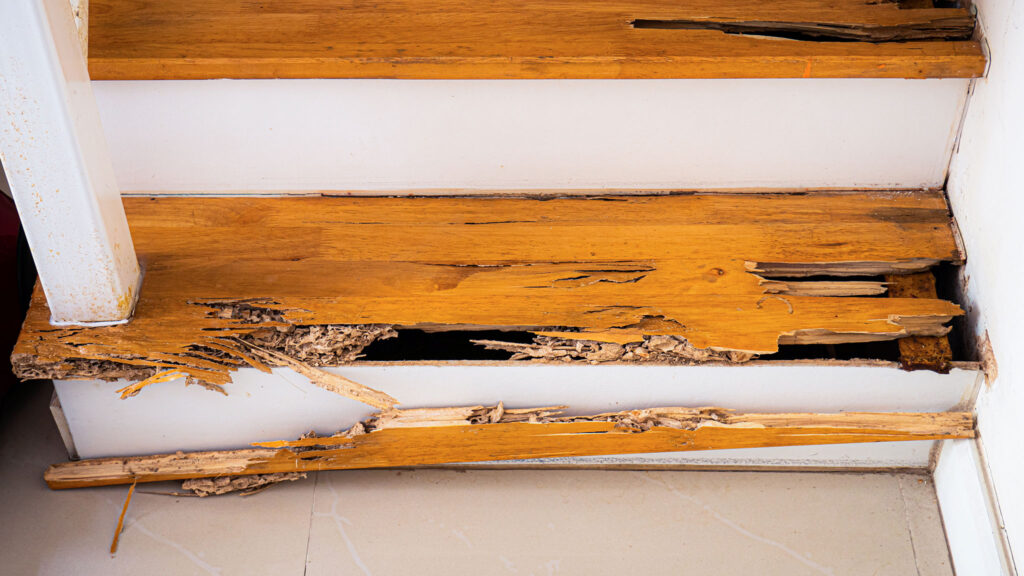
Damaged stairs in tenements – missing steps, loose railings, zero lighting in hallways. This is a plague of older buildings in Greenpoint, Williamsburg, and Bushwick. Landlords know about the problems because tenants have been reporting them to 311 for years. And they do nothing until someone falls.
Wet floors in stores and restaurants without signs. Malfunctioning elevators. Holes in sidewalks in front of commercial buildings. Loose carpets in hallways. Unshoveled entrances in winter.
In residential buildings, an additional tool is the Housing Maintenance Code – detailed regulations imposing duties on landlords regarding the condition of the building. A violation of a specific HMC provision strongly strengthens your case because it eliminates the question of “did the owner know”.
→ Did you suffer an injury on someone else’s property? Check out the Jodré Brenecki profile in the PolishPages directory.
What to do immediately after an accident
Photos. Immediately. Stairs, floor, lighting (or lack thereof), lack of warning signs. You have your phone with you – these photos could be worth tens of thousands of dollars.
Report the accident to the building manager or store manager – in writing or by email, not verbally. Get witness contact information. And go to the doctor the same day.
Statute of limitations: 3 years. But if the accident is on city property (NYCHA building, public school, park) – Notice of Claim within 90 days.
What to look for when choosing a premises liability attorney
- Experience with cases involving NYC landlords and building managers – this is often a fight against large management companies that have their own legal departments and budgets to drag out cases. You need someone who won’t give up after the first refusal.
- Ability to quickly secure evidence – camera footage, building inspection reports, history of 311 complaints – this evidence disappears or becomes harder to access with every passing week. A law firm that knows how to obtain them quickly has an advantage.
- Service in Polish – describing the conditions in the building and the course of the accident in your own language eliminates misunderstandings.
- Zero fees until you win – contingency fee. Standard.
→ The Jodré Brenecki law firm from Williamsburg handles premises liability cases throughout NYC – check the profile in the PolishPages directory.
An accident in a building is not “your fault for not being careful.” The landlord has a duty to maintain safe conditions – and is liable when they don’t. Call for a free consultation: 347-563-2605.