Replacing windows in a historic New York building starts with checking whether it is protected by the Landmarks Preservation Commission; if so, you need an LPC permit. In pre-1978 homes, hire an EPA Lead-Safe certified firm. Arched and custom windows are ordered only after precise measurements.
Old windows in a century-old row house have a way of wearing you down. The sashes stick, the frames have warped, and every winter there is a draft along the sill you can feel from across the room. But when the building has arched lintels and a facade that tourists stop to photograph, replacement is not a matter of picking stock sizes from a catalog. Preservation rules, lead in old paint and openings that match no standard dimension all come into play.
Then there is the opposite case: a brand-new house in Queens or a multifamily building where windows have to fit into the schedule of an entire construction project. The challenge there is coordination, making sure the openings are ready on time and the windows are not sitting on site for months. This guide walks through all three situations: windows for landmarked and historic buildings, custom-shaped windows made to order, and windows for new construction. You will learn what drives the price, what to ask a contractor and which mistakes to avoid.
How are historic, custom and new-construction windows different?
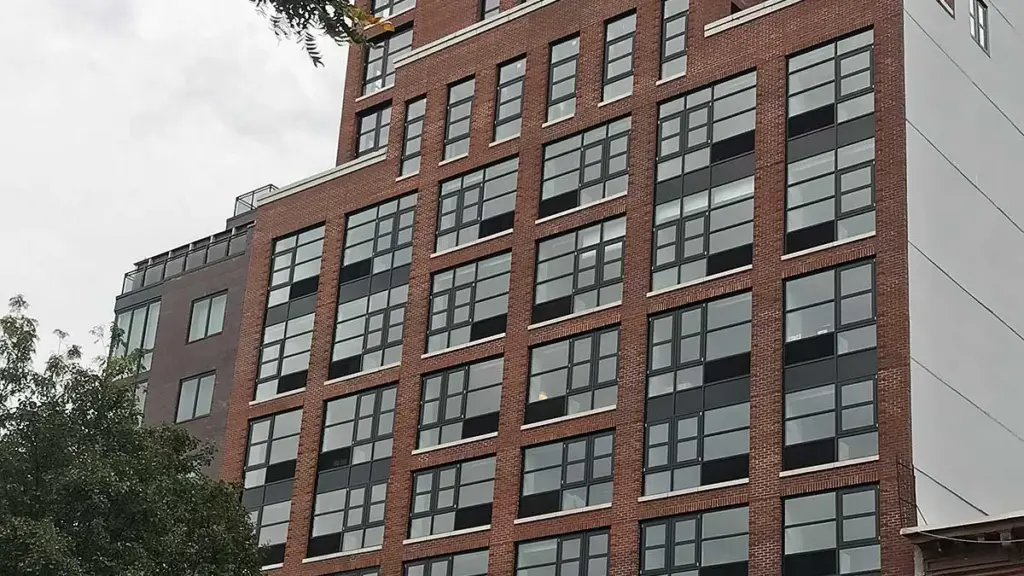
In a historic building, what matters most is how the window looks from the street. A new unit has to keep the original pane pattern, shape, profiles and color, and often the original material as well. In practice that usually means wood, or aluminum with profiles that reproduce historic muntins, sometimes matched to a frame depth that off-the-shelf windows simply do not have. Behind that facade, though, you can gain what the old windows lacked: insulated glass, Low-E coatings and a much tighter seal.
Custom windows cover anything that is not a standard rectangle: full and segmental arches, half-round transoms over entry doors, trapezoids under a sloped roof, narrow stairwell windows, openings in old masonry where no corner is truly square. Each unit is built to the measurements of a specific opening, and with arches even the evenness of the curve matters. Windows are available in vinyl, aluminum, fiberglass and wood, including wood-clad, with double or triple glazing. The right material depends on the shape, the preservation requirements and the budget.
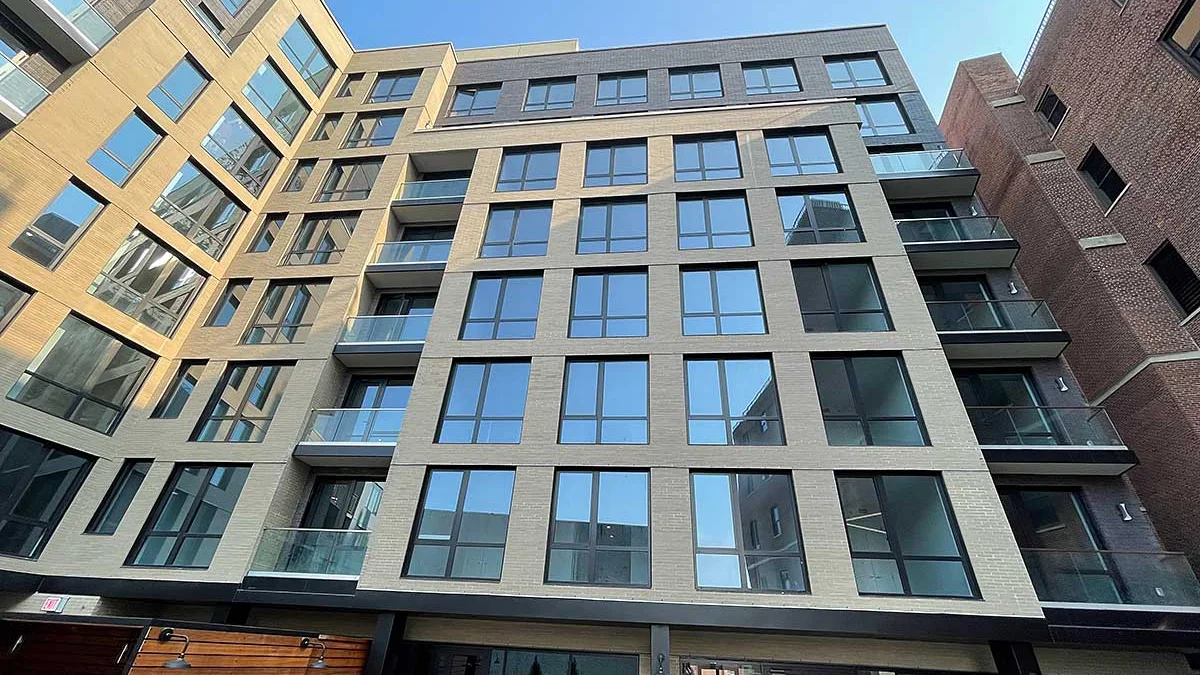
In new construction, the window is one piece of a much larger puzzle. Openings have to match the drawings, the insulation and membranes around each window must tie into the rest of the wall assembly, and installation has to be sequenced with the facade, interior finishes and mechanical work. An installation focused on insulation and air-tightness pays off for years. A poorly coordinated one means callbacks, thermal bridges and leaks that only show up after the first winter.
What drives the cost of historic and custom windows?
Ask any contractor and you will hear “it depends,” and this time that is not a dodge. A standard-size window and an arched unit that reproduces a historic pattern differ so much that comparing them per piece makes no sense. You are better off understanding the factors behind a quote and asking for each one to be listed separately.
- Material and system: wood, aluminum, fiberglass and vinyl carry different production costs, and on a landmark the material may be dictated by LPC requirements.
- Shape and size: arches, half-rounds and irregular openings require one-off fabrication and more careful measuring.
- Glazing: double or triple glazing, Low-E coatings, UV protection, safety glass.
- Matching historic details: muntins, profiles, color and finish that follow the original.
- Paperwork: drawings, photos and descriptions for the LPC application.
- Pre-1978 buildings: containment and cleanup that follow lead-safe work practices.
- Access: upper floors, scaffolding, sidewalk restrictions, carrying units up a narrow stairwell.
- Finishing: interior and exterior trim, plaster repair around the openings, disposal of the old windows.
The number of windows matters too, and so does how many of them can be standardized. Ten identical windows in a row house are priced differently from ten openings that each need their own drawing. If the budget is tight, ask whether the rear windows, the ones not visible from the street, can be simpler than the front ones. For protected buildings that is often possible, but the LPC has the final word.
Phasing is another option. Front facade this season, rear facade next season can make financial sense, as long as all the windows come from the same system and look consistent.
Dealing with an arched window or a landmarked building and unsure what comes first? Call for a free consultation in Polish or English: 718-456-3150
Brownstones, row houses and the LPC: what New Yorkers need to know
The Landmarks Preservation Commission protects individual landmarks and historic districts across New York City. According to the “About LPC” page on nyc.gov, the city has more than 38,000 landmark properties, and most of them sit within historic districts.
That means not just a few mansions in Manhattan, but whole blocks of brownstones in Brooklyn and row houses in Queens. Before ordering windows, check the building’s status. If it is designated, replacing windows requires an LPC permit.
The rules are laid out in the LPC windows fact sheet. Most applications are approved at staff level; proposals that do not meet the criteria go to a public hearing before the full Commission.
On the primary facade, new windows must match the historic ones in configuration, details and finish, and for individual landmarks the material must match too, although large buildings are exempt from that requirement (at least seven stories tall, or with street frontage longer than 40 feet). Rear windows not visible from the street do not have to match. The LPC also encourages repairing windows in fair or good condition, and most repairs and routine maintenance do not require a permit.
The second issue is lead. The EPA notes that homes built before 1978 are more likely to contain lead-based paint and lists window replacement among the jobs that can release hazardous dust. For paid work in those homes, and in child care facilities and preschools, the firm must be certified and follow lead-safe work practices; the details are on the EPA’s page for homeowners.
In the row houses of Ridgewood, Greenpoint or Bushwick, that is the rule rather than the exception. If you are also thinking about a new entry door or a glass facade, see our guide to curtain walls, doors and aluminum fences.
What to look for when choosing a contractor
Landmark windows or custom arched units are the kind of job where the difference between contractors shows up later. Sound familiar? The window looks great on the day it is installed, and after the first winter a gap opens along the arch, or the Commission flags the profile.
The checklist below will help you compare quotes on the same terms before you sign anything.
- EPA Lead-Safe certification. In a pre-1978 building, ask for the firm’s certificate, not just an individual worker’s. You can confirm a firm’s status through the EPA’s search tool.
- Working with your architect on the LPC application. Ask who will prepare the drawings, photos and description for the application. A contractor who works with architects day to day can hand over the measurements and details the paperwork needs without delay.
- Measurements and drawings before ordering. For arches and irregular openings, the contractor should take the measurements and you should sign off on the drawing before fabrication. Put in writing who is responsible if a dimension is wrong.
- A detailed written estimate. Material, system, glazing, removal, lead-safe containment, trim and disposal should each be listed. That is the only way to compare two offers fairly.
- Reputation and communication. Check BBB accreditation and reviews from other clients. On a project that runs for weeks, being able to talk things through in your own language with a single point of contact makes life much easier.
PDP Contracting of Ridgewood meets these criteria — read reviews and learn about the company.
Common mistakes and the right time to replace
The first mistake is ordering windows before checking the building’s status. And this is where it gets tricky: the windows are already made, and the LPC rejects the pane pattern or the color. Fixing that costs far more than the time spent on the application.
The second mistake is replacing windows in a pre-1978 building without lead-safe precautions. Dust from old paint settles on sills and floors, and children in the home are especially vulnerable to it.
The third mistake involves custom windows: measuring by eye or copying the dimensions of the old units. Walls in old row houses are rarely plumb, and arches are often asymmetrical. In new construction, the usual weak point is sequencing. The windows arrive before the openings are ready, or the facade closes off areas that should have been sealed first.
So when is the best time? Plan the LPC paperwork and custom fabrication over the winter so installation lands in spring or early fall. Winter installation is possible, but the crew should replace one window at a time and close each opening right away so the apartment does not lose heat all day. On a new project, the construction schedule sets the date, not the calendar, so agree on it with the contractor while the project is still on paper.
Where to start
Start with three simple steps: find out whether the building is protected by the LPC, confirm the year it was built and photograph every window from inside and out. Bring those to the first meeting and the talk turns practical right away, and the quotes you collect will be easy to line up side by side.
You can browse window systems, including vinyl and aluminum options, at pdpwindows.com. If you would like to talk through windows for a row house, a new home or an unusually shaped opening, the consultation with PDP Contracting is free.
Schedule a free estimate: 718-456-3150
This guide is general information, not a substitute for advice from your architect. LPC rules and EPA requirements are updated from time to time, so confirm them on both agencies’ websites before you order windows.
BBB is a trademark of the International Association of Better Business Bureaus. All trademarks belong to their respective owners. Polish Pages is not affiliated with or endorsed by these companies.