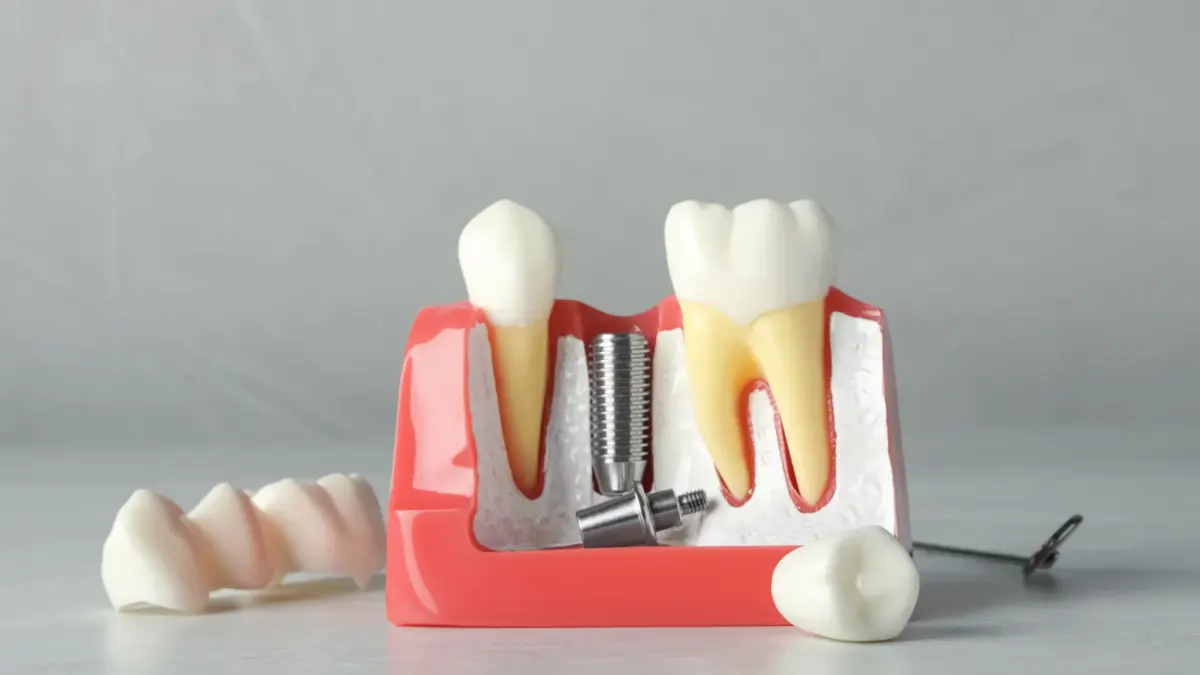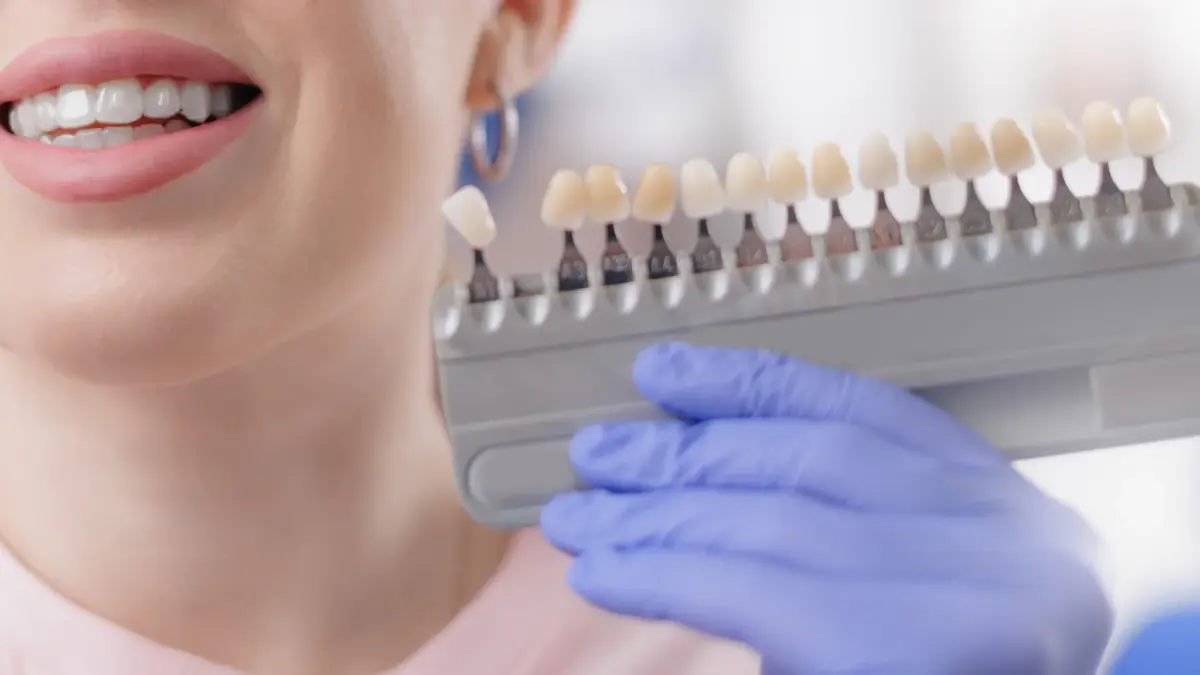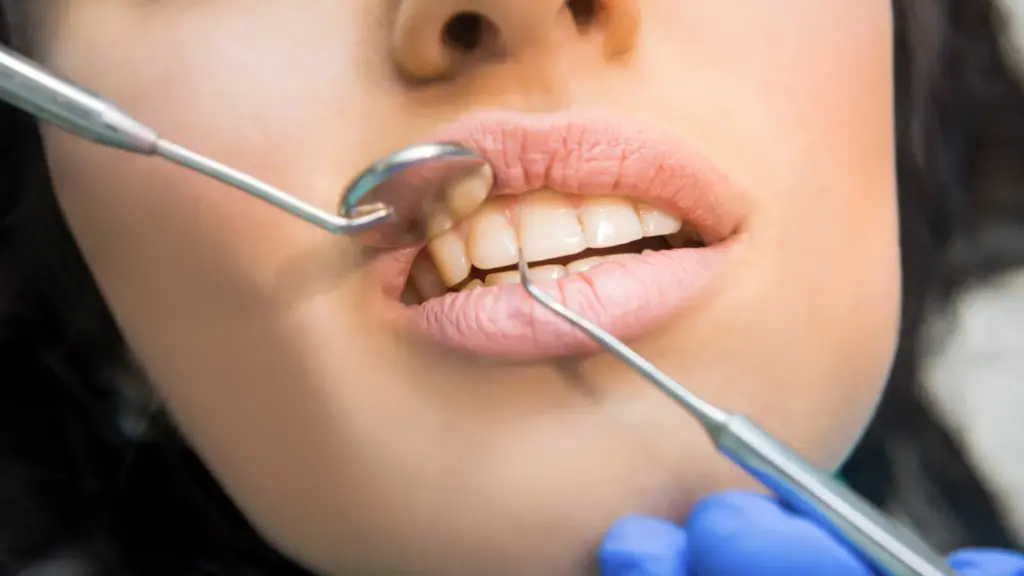
A filling rebuilds a tooth after decay is removed, a sealant closes off deep grooves in the back teeth, and a night guard protects enamel from wear caused by grinding. Which one you need is decided after an exam and X-rays – often all three belong to one prevention plan.
Most people see a dentist only when something hurts. Yet restorative and preventive care – everything that helps you keep your own teeth for as long as possible – works best before there is any pain at all. A small cavity, deep grooves on a molar or the first signs of worn enamel are easy to miss, and each has a fairly simple fix when it is caught early.
This guide collects the questions patients most often ask in the chair: how a dentist decides whether a tooth needs a filling, why sealants can make sense for adults, when a night guard helps, what drives the cost and how to prepare for the appointment. The answers are general – the details always depend on an exam of your own teeth.
How does a dentist decide whether a tooth needs a filling?
It starts with a clinical exam: a close look at every tooth, the chewing surfaces and the spaces in between, plus a conversation about any symptoms. Some cavities are visible right away, but decay between teeth or underneath older fillings often shows up only on an X-ray.
Digital X-rays appear on a screen, so you can see exactly what the dentist sees. That changes the conversation – instead of hearing that “something needs to be done on the lower left,” you can look at the spot and its size. At City Dental Care the monitor sits right in front of the chair, so it is easy to ask questions as you go.
If the cavity needs treatment, the dentist removes the decayed tissue and restores the tooth with a filling. The material is chosen after the exam, based on the size of the cavity, how much chewing force the tooth takes and where it sits in the mouth. When a tooth is badly broken down, a crown is sometimes the better choice than a very large filling – again, a decision made after the tooth has been evaluated.
What affects the cost of fillings, sealants and night guards?
The cost of restorative care depends mainly on how much work is needed. One small filling is priced differently from several cavities that each involve two or three surfaces of a tooth. Whether new X-rays are needed before treatment also plays a role.
Sealants usually cover several molars at once, so the number of surfaces matters. A custom night guard requires an impression and a fitting, which makes it a separate item in the treatment plan – quite different from a ready-made guard from the pharmacy, which typically does not fit as closely.
Insurance makes a big difference. Dental plans often treat preventive care differently from treatment of cavities, so it pays to check what your plan covers before the visit. Dr. Kwapisiewicz’s office accepts most dental insurance plans, including PPO and union plans.
If you have several cavities, ask about the order of treatment. The dentist can point out which teeth need attention first and which can wait for the next visit, making it easier to spread appointments and expenses over time.
Questions about your treatment plan? Call 718-456-2727
Sealants and night guards for adults – who benefits?
Many people assume sealants are not meant for adults. In fact, deep grooves on molars are common at any age. If a checkup shows healthy back teeth with fissures where food tends to get trapped, the dentist may suggest sealing them. It is a preventive step: it does not treat an existing cavity, but it lowers the chance of a new one forming in that spot.
A night guard helps people who grind or clench their teeth – often while asleep and without realizing it. Worn or chipped tooth edges, a sore jaw in the morning or dull headaches can be warning signs. The American Dental Association notes that a dentist may recommend a night guard in this situation, and that a custom guard made from a mold of your teeth offers the closest fit (ADA on teeth grinding).
A guard also needs a little care. Rinse it after each use, store it in a sturdy, vented case and bring it to your checkups so the dentist can assess its condition; a worn or poorly fitting guard should be replaced (ADA guidance on mouthguards).
In Ridgewood, Glendale, Middle Village and Maspeth, plenty of people work physically demanding jobs or long shifts, and stress and fatigue make clenching more likely. It is worth bringing up at your visit, even if it feels minor. Regular checkups also catch enamel wear early – our guide to dental checkups and cleanings explains what a routine visit covers.
How to prepare for your visit to City Dental Care
- Write down your symptoms. Sensitivity to cold or sweets, spots where food keeps getting stuck, jaw soreness in the morning – a short note helps you cover everything during the visit.
- Bring your insurance details. Your plan card and the policyholder’s information let the office check your coverage before any treatment decisions are made.
- Have a list of your medications. Information about the medicines you take and any chronic conditions matters when planning anesthesia and the procedure itself.
- Mention recent X-rays. If you had X-rays taken at another office recently, say so. The doctor will decide whether they are enough or new ones are needed.
- Bring your current guard. If you already wear a mouth guard, bring it along – the dentist can check whether it is worn out and still fits well.
Dr. Dorota Kwapisiewicz’s office in Ridgewood treats patients in English and Polish, with digital X-rays and the STA computer-controlled anesthesia system – see City Dental Care’s full list of services and office hours.
Common mistakes with fillings and preventive care
The first mistake is waiting until a tooth hurts. Pain often means the cavity is already deep, and the treatment grows with it. The second is postponing care until a trip abroad or a long vacation. It sounds sensible, but cavities keep growing in the meantime, and a vacation rarely leaves room for several visits and a follow-up.
The third mistake is wearing a drugstore guard “just to try it” – for years. A ready-made guard can help in the short term, but it usually fits loosely and stops protecting once it wears down. The fourth is skipping checkups after a filling: older fillings wear too and need to be monitored.
The fifth mistake is keeping quiet about grinding. Many people see it as a harmless habit, but worn enamel does not grow back. A quick mention at your checkup is enough for the dentist to look for signs of wear.
Restorative dentistry is largely about prevention: the sooner a cavity is filled and vulnerable spots are protected, the more of your natural teeth you keep for years to come. A well-planned checkup often brings all three pieces together – the exam, any fillings that are needed and a conversation about protecting your teeth from wear.
If it has been a while since your last checkup, or something is bothering you, the best place to start is an exam and X-rays. Only then can the dentist tell what needs treatment and what can simply be monitored.
Book a visit with City Dental Care: 718-456-2727
This article is for informational purposes only and does not constitute medical advice. Every situation requires an individual assessment — please contact City Dental Care, PLLC.
STA (Single Tooth Anesthesia System) is a trademark of Milestone Scientific, Inc. Polish Pages and Poland.us are not affiliated with or endorsed by Milestone Scientific, Inc.