It depends on the problem. If natural teeth are only discolored, whitening is usually the first option to consider; a small chip or gap often calls for bonding; and when several front teeth need a new shape and color at once, veneers such as Lumineers may be the answer. The final decision is made after a dental exam.
Most people who want a nicer smile start their research online. They find before-and-after photos, glowing reviews and conflicting advice – and it is hard to tell what actually applies to their own teeth. Even the word “veneer” can mean different things in different offices.
This guide sorts out the most frequent questions about three popular cosmetic treatments: Lumineers veneers, composite bonding and in-office Zoom whitening. It cannot replace an exam, but it will help you prepare for the conversation with your dentist and know what to ask.
How do Lumineers, bonding and Zoom whitening work?
Whitening is the only one of the three that adds nothing to the tooth. A whitening gel lightens your natural enamel, and the Zoom Advanced Power lamp supports the in-office procedure. Keep in mind that whitening does not change the color of crowns, veneers or fillings. If your front teeth have older fillings, they may stand out against the lighter teeth afterwards – one of the things the dentist checks before recommending it.
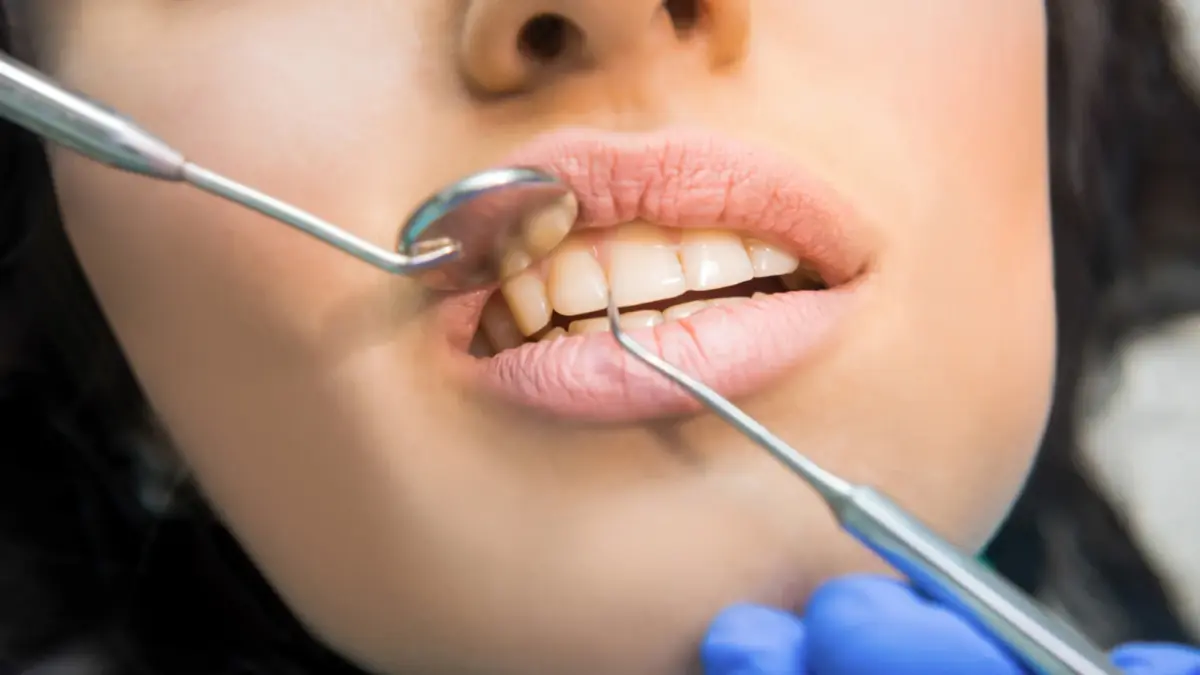
Bonding means applying tooth-colored composite material directly to the tooth. The dentist builds it up in layers, shapes it, hardens it and polishes it, all in the chair. It can restore a chipped corner, even out an edge or close a small gap. Because composite is a different material from enamel, it may need touch-ups or polishing over time – something your dentist will explain beforehand.
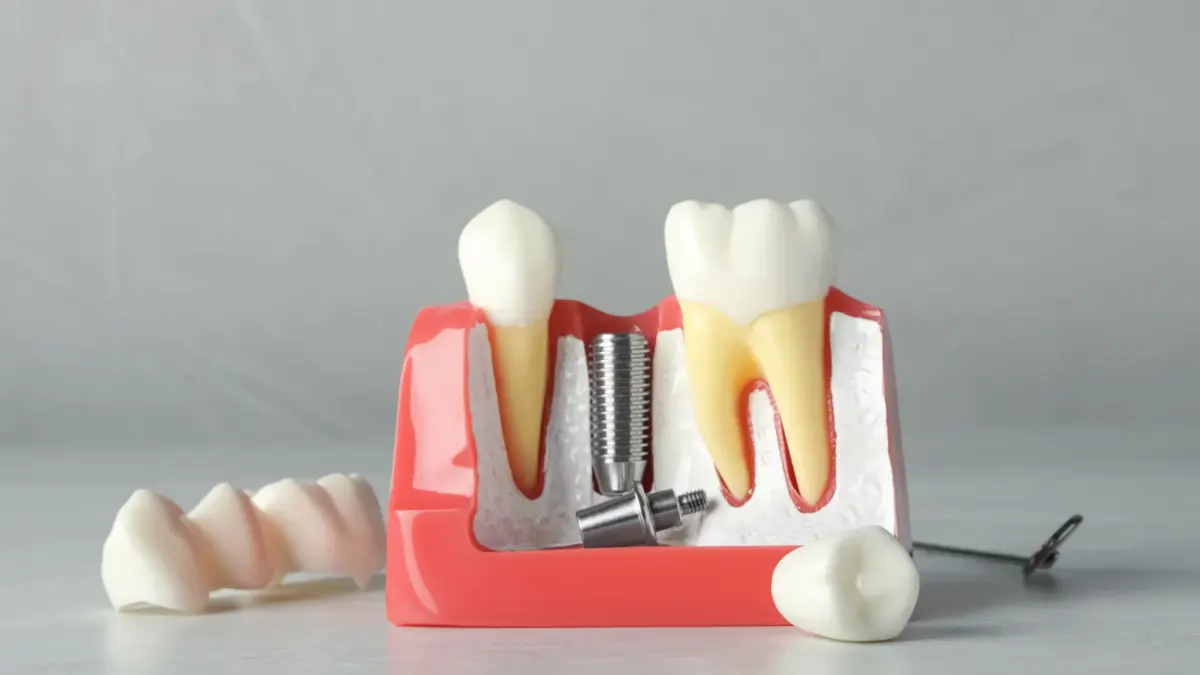
Lumineers are very thin veneers custom-made in a dental lab and bonded to the front surface of the teeth. According to the manufacturer (lumineers.com), they typically do not require aggressive drilling; whether a tooth needs any preparation, and how much, is decided by the dentist after an exam. Veneers can change the color, shape and proportions of the teeth you show when you smile, so they take careful planning.
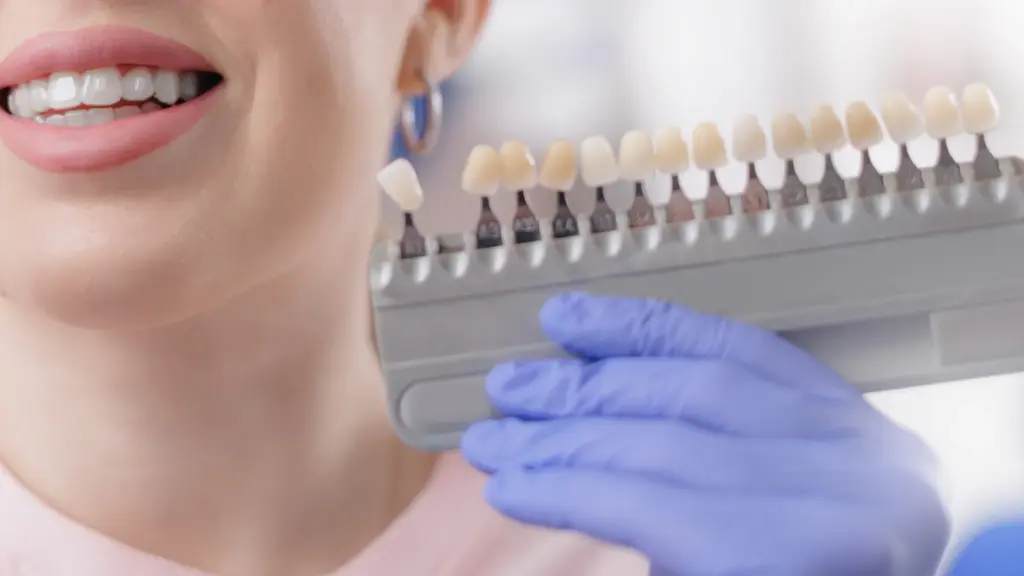
Patients often ask which option is “the best.” There is no single answer. Whitening may be enough when teeth are well shaped with healthy enamel and only the shade is the issue. Bonding fits when one or two teeth need correction in specific spots. Veneers are usually considered when the change should cover several front teeth at once. Sometimes a plan combines methods – for example, whitening first and then matching the bonding to the newly lightened shade.
What affects the cost of cosmetic treatment?
The biggest factor is the scope of work. Whitening treats the whole arch at once, bonding is typically planned tooth by tooth, and with veneers the number of teeth included in the plan matters most. Fixing one chipped front tooth is a very different project from redesigning the whole visible smile.
The second factor is your starting point. If old fillings need replacing or a professional cleaning should come first, the plan includes more visits. Materials and lab work matter too – veneers are made individually for each patient.
The third is insurance. Dental plans vary, and purely cosmetic procedures are often not covered, so check your plan before the visit. Your dentist will present a clear treatment plan with each step explained after the exam, before you make any decision. It is also fair to ask directly what the plan includes: how many visits, which steps and whether a follow-up visit is planned.
Call to talk it over in English or Polish: 718-456-2727
What is cosmetic dental care like at an office in Ridgewood, Queens?
Dr. Dorota Kwapisiewicz’s office is in Ridgewood, Queens. Patients come from Ridgewood itself and from nearby Glendale, Middle Village and Maspeth.
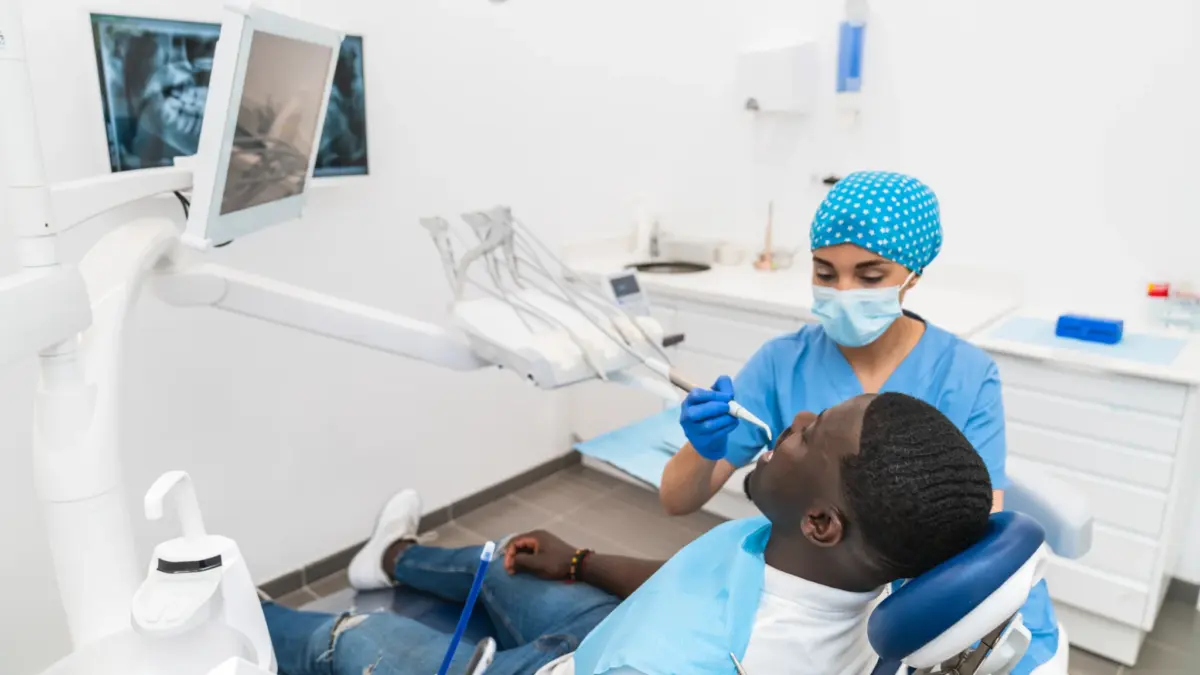
You can discuss your smile in English or in Polish – whichever is more comfortable. With cosmetic work that matters, because you need to describe exactly what bothers you: a lighter shade, a different shape, or one tooth that doesn’t match the rest. Digital X-rays and images of your teeth are shown on a monitor in front of the chair, so decisions are made together.
The office has its own Zoom lamp for in-office whitening and accepts most dental insurance plans, including PPO and union plans. For cosmetic treatment, though, it is worth asking exactly what your plan covers.
How to prepare for your visit at City Dental Care
- Pin down what bothers you. Color, shape, a gap, a chip, uneven edges? The more specific you are, the easier it is to choose the right method. Writing it down before the visit helps.
- Bring a sample photo. A picture of a smile you like – even your own from a few years ago – makes it easier to talk about a natural shade and proportions.
- Gather your dental history. Which teeth have fillings or crowns, and when were they done? This affects whether whitening alone will work.
- Check your insurance plan. Have your insurance card with you and know how your plan treats cosmetic procedures.
- Prepare questions about the process. How many visits, how to care for the result at home, what to avoid after treatment and when to schedule a check-up.
City Dental Care in Ridgewood discusses cosmetic options in English and Polish – see the office’s full services and hours.
After the first visit you should know which method makes sense for you, how many steps the plan involves and whether anything else needs attention first. If a result you are hoping for is not realistic with a given method, it is better to know that before treatment begins.
How do you take care of the result?
How long a cosmetic result looks good depends a lot on what happens afterwards. The basics are regular check-ups and professional cleanings, daily brushing and flossing, and telling your dentist about any change – such as a chipped edge on a veneer or bonding. A small problem is usually easier to fix right away than months later.
After whitening, the dentist will give you instructions for the first few days, including advice on strongly staining drinks and foods. Some people experience temporary tooth sensitivity after the procedure, so mention it before your visit if your teeth react to cold. With bonding and veneers, it is wise to drop habits like chewing pens or ice – front teeth are not made for that kind of work.
Common mistakes when planning a new smile
The first mistake is choosing the treatment before the exam. A patient asks for veneers when the only issue is the shade, or for whitening when the front teeth have old fillings that will show afterwards. The second is going too light – a shade that looks striking in an online photo can look unnatural in everyday light.
The third is experimenting at home with harsh whitening pastes, products from questionable sources or “natural” tricks that can irritate the gums and increase sensitivity. The fourth is skipping hygiene: tartar and surface stains change the color of teeth, so sometimes the right first step is simply a professional cleaning.
The fifth is having no plan for later. Veneers, bonding and whitening results all depend on regular check-ups and good home care, so talk about maintenance while you are still planning.
Cosmetic dentistry offers a lot of options today, but a good result is one that suits your face and looks natural. That is why the first step is always an exam and a conversation, not picking a procedure from a list.
If you are thinking about improving the look of your teeth, schedule a consultation and go over the possible routes – whitening, bonding or veneers – with the dentist.
Schedule a cosmetic consultation: 718-456-2727
This article is for informational purposes only and does not constitute medical advice. Every situation requires an individual assessment – please contact City Dental Care, PLLC directly.
Lumineers is a trademark of Den-Mat Holdings, LLC. Zoom is a trademark of Koninklijke Philips N.V. Polish Pages and Poland.us are not affiliated with or endorsed by Den-Mat Holdings, LLC or Koninklijke Philips N.V.