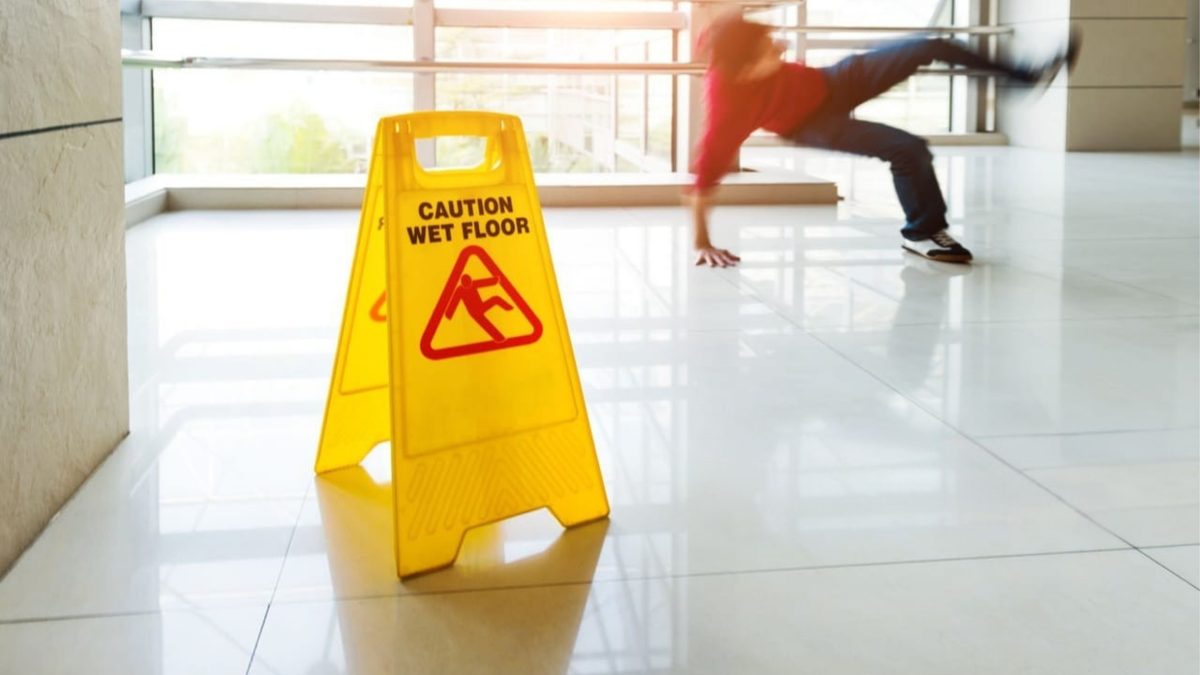

In New York, construction workers injured in falls from height have a right to compensation under Scaffold Law §240 and §241(6) of the NY Labor Law. These statutes impose strict liability on the property owner and general contractor — regardless of any carelessness by the worker.
A construction accident is more than pain and recovery — it is also a maze of claims, insurers and legal deadlines. Every year in New York, construction workers are hospitalized after falls from scaffolding, being struck by falling material, and electrocution on the job. For many families — especially workers on sites in Williamsburg, Greenpoint and Long Island City — a single accident changes life for good.
Here is the good news: New York law is among the most worker-friendly in the country. If you were injured on a job site, you have a right to full compensation for your losses. But to recover it, you need to understand your rights and act quickly.
Scaffold Law §240, §241(6) and Industrial Code Rule 23 — the foundation of worker protection
Section 240 of the New York Labor Law is one of the most powerful worker-protection statutes in the country. It imposes strict liability on the property owner and general contractor to provide safe conditions for elevation-related work — scaffolds, ladders, hoists, platforms. Put simply: if you fell from scaffolding and the protections were inadequate, the owner is responsible, whether or not you were careless.
Section 241(6) extends that protection to accidents involving falling objects and Industrial Code violations. If a tool, plank, brick or other material fell from height and injured you, the contractor or owner can be held responsible. You do not have to prove their fault — it is enough to show that the accident arose out of construction work and that specific provisions of Industrial Code Rule 23 were violated. This shift in the burden of proof is fundamental for the worker.
Industrial Code Rule 23 fills in the detail with technical requirements: proper scaffold assembly, guardrails, protection of floor openings, hard hats and harnesses. Federal OSHA 1926 standards add further safety requirements on larger sites. Together these regulations create a layered net of protection that works in the injured worker’s favor.
A §240 lawsuit is not the only path. You can pursue workers’ compensation benefits at the same time — we cover the details in our upcoming guide to the most common mistakes in a New York workers’ compensation claim. In practice the two claims often work together: workers’ comp covers treatment from day one, while the Scaffold Law civil suit provides damages for pain and suffering.
What a construction accident costs — types of damages and what drives the amount
The first shock after an accident is fear. The second is the hospital bill. Medical costs after a fall from scaffolding — spinal surgery, then many months of rehabilitation — can be very high and depend on the individual case. Factor in lost wages during recovery and the cost of home care, and the numbers become overwhelming. For a family living paycheck to paycheck, one accident can mean losing the apartment.
New York law allows you to seek full compensation, including: all medical costs (past and future), lost wages and lost earning capacity, pain and suffering, permanent injury, and — in cases of egregious violations — additional damages. In serious accidents, where a worker is left permanently disabled, recoveries reach into the millions.
What drives the amount? Above all: the severity and permanence of the injuries, the worker’s age and projected lost earnings to retirement, the number of responsible parties (owner, general contractor, subcontractor), and the quality of the medical documentation from day one. That is why prompt contact with a lawyer matters so much — professional preservation of evidence in the first days affects the final number.
Call for a free consultation in Polish: 516-646-1188
Construction accidents in NYC — where workers are most exposed
Brooklyn, Queens and Manhattan are the heart of New York’s construction sector. Every day, thousands of people work these streets — many of them experienced workers from Greenpoint, Ridgewood and Maspeth. Brownstone renovations in Williamsburg, high-rise construction in Long Island City, demolition in DUMBO — these are sites where tight conditions and old structures raise the risk of falls from height.
The Department of Buildings (DOB) oversees site safety, but inspections are uneven — not every site is checked regularly. Improperly secured scaffolds, incomplete guardrails, neglected ladders — these conditions can be seen almost daily. Workers, however skilled and experienced, do not always know their rights under §240 and §241(6) — and insurers and employers know it.
The most common types of accidents are: falls from scaffolds and ladders (especially during renovations of older buildings), being struck by material falling from height, electrocution on the job site, and the collapse of temporary structures. In each of these, the Scaffold Law guarantees the right to compensation on a strict-liability basis. The worker does not have to prove the other side’s fault.
Not every job-site injury involves work at height. Slips on wet concrete, trips over scattered equipment and falls on slick ramps are a separate category of claim grounded in premises liability. We explain how compensation works in those situations in our guide to slip, trip and fall accidents in NYC.
What to look for when choosing a construction accident lawyer
- Focused experience in the Scaffold Law and Industrial Code. Not every lawyer knows the particulars of §240 and §241(6). Look for someone who has handled dozens of cases under these specific sections. Experience negotiating with construction insurers and a willingness to take a case to trial is the filter that separates specialists from generalists.
- Communication in Polish — without a middleman. If you speak Polish, talking directly with a lawyer (not through an interpreter) matters enormously. The details of the accident, the nuances of your pain, your family’s concerns — all of it gets lost in translation. A firm with a Polish-speaking team also understands the experiences of Polish construction workers and their skepticism toward the legal system.
- A documented record of multi-million-dollar results in construction cases. Check what a lawyer has recovered in the past. Verdicts and settlements in the millions — not the tens of thousands — are proof that a firm knows how to build a case and persuade insurers and juries alike.
- No conflict of interest, and a contingency fee. Avoid lawyers tied to insurance companies or contractors. You need someone whose only interest is your case. A good lawyer works on contingency — you pay only if they win.
- Fast response and the resources to preserve evidence. The lawyer has to move immediately. Job-site camera footage is erased within days, witnesses move on, scaffolds are taken down. A firm with investigators and construction-safety experts will preserve the evidence before it disappears.
Sanocki Newman & Turret, with offices in Brooklyn, Queens and Manhattan, meets these criteria — see the full profile and client reviews
From accident to compensation — the legal path step by step
Pursuing compensation after a construction accident in New York proceeds in stages. First, documentation: reporting the accident to the employer, the hospital record, photographs of the scene, witnesses’ contact details. Next, identifying the responsible parties — property owner, general contractor, subcontractors. The third stage is negotiation with the insurers. Most cases settle before they reach a courtroom — but only if the lawyer shows resolve and holds solid evidence.
The statute of limitations for construction accidents in NY is generally three years from the date of the accident. That sounds like a long time, but witnesses move, memories fade, scaffolds come down, and camera footage is erased. Every day of delay is evidence that disappears. That is why the first consultation with a lawyer should happen within days — not months — of the accident.
Construction accidents in New York are cases where the law stands with the worker. Scaffold Law §240 and §241(6) provide fundamental protection — strict liability without having to prove fault. But that protection only works when the injured worker takes action and secures professional legal representation.
Schedule a free consultation: 516-646-1188
Prior results do not guarantee a similar outcome. This is attorney advertising. Every case is different — consult a licensed attorney. This article is for general information only and is not legal advice.