In New York, nursing homes are closely regulated by NYSDOH under Public Health Law Article 28, while assisted living facilities are subject to lighter regulation. Residents have guaranteed protections under the Residents’ Bill of Rights — including the right to safety, dignity and medical care. Neglect of these rights is grounds for a claim.
Choosing between a nursing home and assisted living is one of the hardest decisions for the families of senior parents in New York. Both kinds of facilities offer care and support, but they differ significantly in the level of medical care, cost, regulatory oversight and — most importantly — the rights protected by state law. When staff neglect occurs, not understanding these differences can cost a senior their health and a family their peace of mind and money.
This guide explains the key differences between the two, the rights of residents in New York, the warning signs of neglect, and what you should know if your loved one was harmed in a nursing home.
Nursing homes vs assisted living — regulatory differences and standards of care in NY
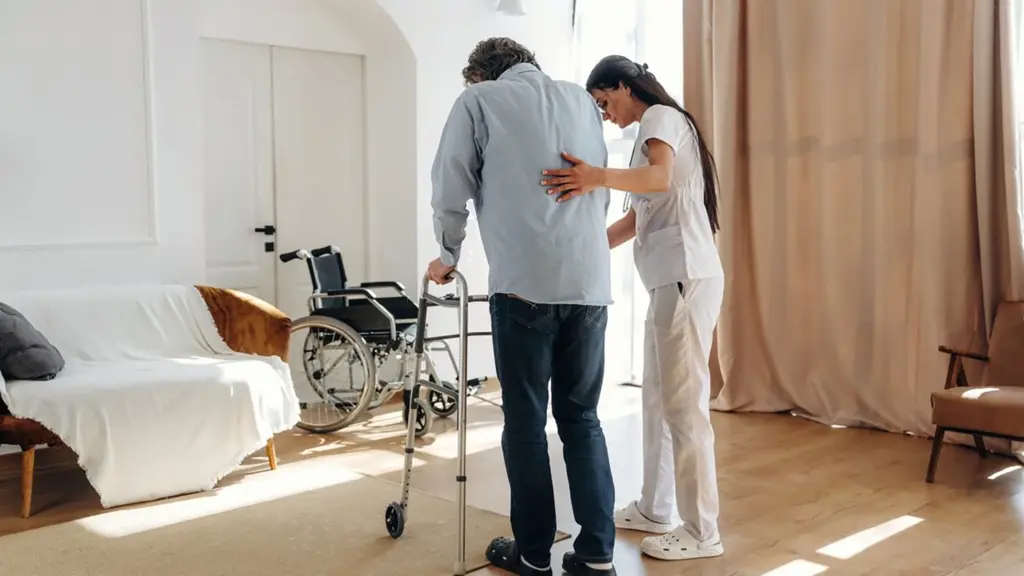
New York draws a clear line between nursing homes (skilled nursing facilities) and assisted living facilities (adult care facilities). Nursing homes are medical institutions regulated by the New York State Department of Health (NYSDOH) under Public Health Law Article 28. They must employ doctors, full-time registered nurses (RNs) and medical specialists, because residents require 24-hour nursing care. Assisted living offers less intensive care — residents are more independent, and staff mainly help with the activities of daily living (bathing, dressing, medication).
This difference has direct legal consequences. NYSDOH and the Centers for Medicare & Medicaid Services (CMS) impose rigorous requirements on nursing homes: medical documentation, safety procedures, staff training, and hygiene and sanitation standards. Every nursing home is subject to regular inspections — the results are publicly available on the NYSDOH website and in the CMS Five-Star Quality Rating system, where you can check a facility’s rating, complaint history and most recent inspection. Assisted living is subject to lighter regulation — which means fewer inspections, but no less responsibility for resident safety.
Nursing home residents in NY have guaranteed rights under the Residents’ Bill of Rights: personal dignity, access to medical care, the ability to file a complaint without retaliation, the right to family visits, control of their own finances, and — fundamentally — the right to physical safety. These are not abstract provisions — if a nursing home violates these rights, the family has grounds for a civil claim, and staff who knowingly neglect a resident can face criminal responsibility.
The cost of care, Medicaid and private pay — and what neglect costs families
The cost of a nursing home in New York is very high and depends on the facility and the scope of care; at some facilities on Manhattan or in Brooklyn Heights it can be especially high. Assisted living is generally cheaper, but with a narrower scope of medical care. Most seniors cover the cost through Medicaid (the joint federal-state program for low-income individuals) or a combination of Medicaid and private savings. Medicaid eligibility requires meeting income and asset limits — in NY, around $30,000 in assets for a single person.
When a nursing home neglects a resident, the financial costs to the family snowball. Pressure ulcers requiring hospital treatment, a hip fracture after an unsupervised fall (surgery plus rehabilitation), pneumonia caused by inadequate respiratory care requiring hospitalization — treatment costs can be very high and depend on the individual case. Neglect in a nursing home is not only the senior’s suffering — it is a real financial catastrophe for the family.
In New York, families can bring a civil claim for neglect that covers: the cost of additional treatment, the resident’s pain and suffering, and — in cases of death — a wrongful death claim. Recoveries in nursing home neglect cases in NY range from the tens to the hundreds of thousands of dollars, depending on the severity of the neglect and the permanence of the harm.
It helps to understand that nursing home neglect is often treated as a separate category from classic medical malpractice, though the line can blur. When the harm flows from a specific decision by a doctor or nurse (a wrong dose, a missed diagnosis), the case moves closer to being classified as medical malpractice and a departure from the standard of care, with the certificate of merit procedure and the CPLR §214-a deadline. When the harm flows from a systemic failure of the facility — short staffing, ignored protocols, violations of the Residents’ Bill of Rights — it rests on general negligence principles. A good lawyer pins down the right legal basis while reviewing the records, because the deadlines and the burden of proof depend on it.
Call for a free consultation in Polish: 516-646-1188
Seniors in NYC — language and cultural barriers and access to facilities in Brooklyn and Queens
Greenpoint, Ridgewood, Maspeth — these are neighborhoods with large populations of Polish seniors, many of whom do not speak English fluently. A nursing home without Polish-speaking staff or professional interpreters is a real danger: a senior may not report pain, may not understand medication instructions, may not be able to express a medical need. State law requires facilities to provide interpreter services — but in practice many nursing homes neglect this requirement, relying on untrained workers or family members.
Cultural differences add another layer. Polish seniors often view a nursing home stay as a last resort and a failure of the family — which generates added psychological stress. Staff who do not understand these values may miss a decline in the resident’s mental state. Loneliness, depression and a sense of abandonment are quiet forms of neglect that leave no bruises but erode health just as effectively.
Families in Brooklyn and Queens should require a facility to: document all medical decisions in a language the senior understands, provide an interpreter for conversations with doctors, and report regularly on the resident’s health. It is worth checking the CMS Five-Star rating before choosing a facility — and visiting your loved one regularly, watching for the warning signs of neglect.
What to look for when choosing a nursing home neglect lawyer
- Focused experience in nursing home neglect — not general personal injury. Nursing home cases have their own particulars: NYSDOH regulations, CMS standards, the Residents’ Bill of Rights. A lawyer who mainly handles car accidents won’t know the inspection procedures or the requirements of geriatric medical records. Look for a firm with a portfolio of nursing home cases.
- Access to medical experts — geriatricians and nurses. To prove neglect, you need the opinion of an independent medical expert confirming that the facility departed from the standard of care. A firm with a network of geriatricians, internists and nurses who specialize in long-term care can quickly assess a case and prepare solid evidence.
- Polish-speaking service and an understanding of immigrant seniors’ experiences. Communicating with a senior’s family in their own language prevents misunderstandings and builds trust. A firm serving the Polish community in NYC also understands the specific concerns: fear of the system, feelings of guilt, the language barrier in dealing with the facility.
- Experience taking cases to trial. Nursing homes and their insurers offer higher settlements when they know the firm across the table is ready to go to trial. Ask how many cases went to trial and what the verdicts were — that is a measure of a firm’s real strength.
- Contingency fee — no cost until you win. The lawyer should work on contingency. Seniors’ families rarely have a budget to pay a lawyer’s hourly rate up front — a contingency fee levels the field and motivates the firm to commit fully.
Sanocki Newman & Turret, with offices in Brooklyn, Queens and Manhattan, meets these criteria — see the full profile and client reviews
Warning signs of neglect — pressure ulcers, falls, medication errors, dehydration, abuse
The signs of neglect can be obvious or subtle. Pressure ulcers — especially stage III and IV — are almost always the result of neglect: regular repositioning, hygiene and proper nutrition eliminate the problem. Unsupervised falls in a senior with a history of balance problems are a sign that the facility failed to implement a fall prevention plan. Medication errors — giving the wrong drug, missing a dose, failing to check for interactions — can have immediate and life-threatening consequences.
Dehydration and malnutrition are silent killers — especially in seniors with dementia who may forget to drink or eat. Sudden weight loss, dry skin, disorientation — these are signs a family should watch for. Physical abuse (bruising in unusual places, fear of staff) or psychological abuse (isolation, threats, taking away personal belongings) are the most serious forms of neglect. Each of these violates the Residents’ Bill of Rights and is grounds for a claim.
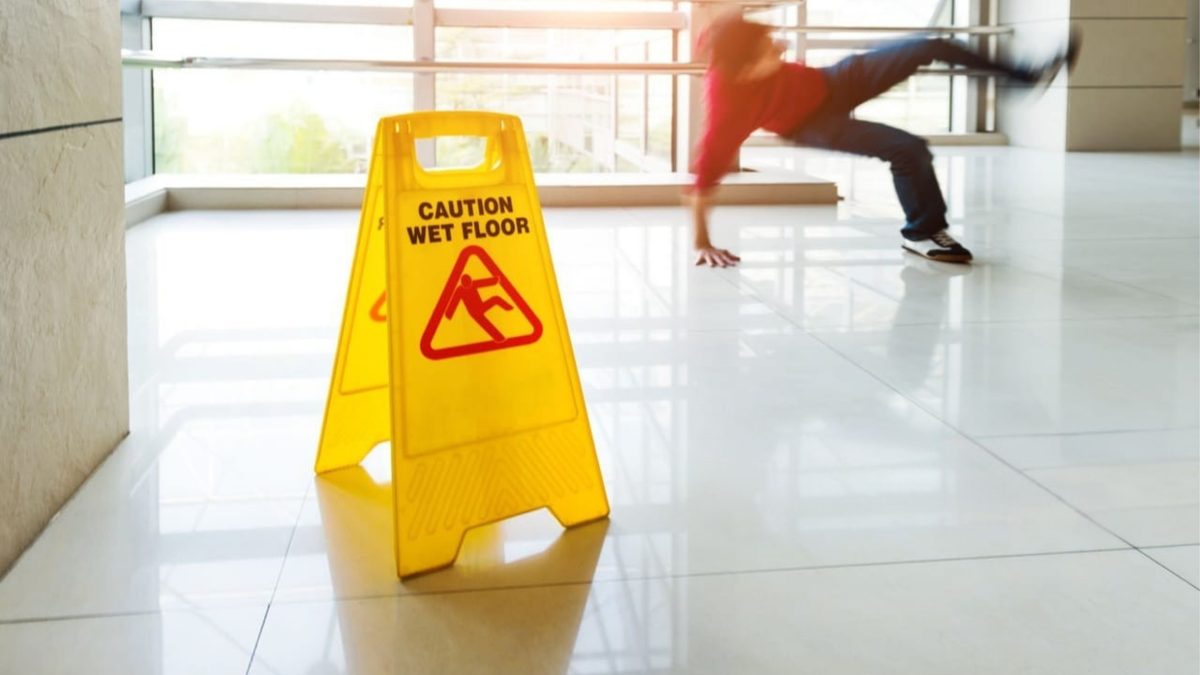
Falls inside the facility are a separate and often underappreciated category. A wet floor by the dining room, a missing bed rail, worn carpeting in a hallway — these are conditions for which a nursing home is responsible much like any property owner is responsible for the safety of the premises. The way you prove it overlaps with classic slip and fall cases on someone else’s property: you must show a dangerous condition, the facility’s knowledge of it, and a link to the injuries. A hip fracture after a fall in a nursing home is often the start of a downward spiral that ends in hospitalization or death — which is why every such incident deserves to be documented.
If your loved one is in a nursing home, visit regularly, ask about their medical care, review the records, and watch for changes in their health. When you notice signs of neglect: file a formal complaint with NYSDOH, document everything with photographs, and contact a lawyer. Time works against the injured person — the statute of limitations in NY is generally 2–3 years from the date of the neglect.
Talk about a senior’s rights — call: 516-646-1188
Prior results do not guarantee a similar outcome. This is attorney advertising. Every case is different — consult a licensed attorney. This article is for general information only and is not legal advice.