
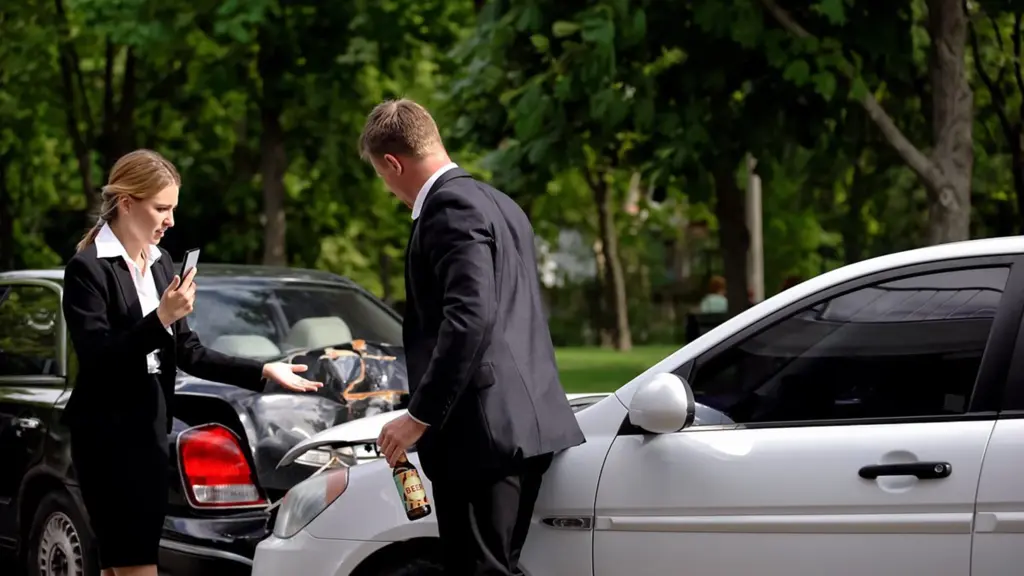
A car accident in NY generates medical costs, lost wages and damages for pain and suffering. The no-fault system (PIP) covers the first $50,000 of expenses, but serious injuries that cross the §5102(d) threshold of the Insurance Law open the door to a full civil lawsuit — with recoveries reaching into the millions.
A car accident is more than stress and pain. It is a wave of financial consequences that can drag on for years: hospital bills, lost wages, rehabilitation costs, and on top of it all a fight with an insurer looking for any reason to pay less. In New York, every crash sets a complex insurance system in motion — where the rules seem clear, but the money can be hard to recover.
The no-fault system protects drivers from lawsuits over minor injuries, but when the damage is serious, the law allows you to sue the other party for full compensation. The question is: how much can you realistically recover, and what decides the amount?
New York’s no-fault system — PIP, the “serious injury” threshold, and Insurance Law §5102(d)
New York is a no-fault state, which means your own auto coverage (PIP — Personal Injury Protection) pays the first medical expenses and part of your lost wages, regardless of who caused the crash. That eliminates drawn-out fault disputes over minor collisions, but it has limits.
PIP generally covers up to $50,000 of medical expenses and up to $2,000 a month in lost wages (for up to 3 years after the accident). That sounds solid — until you end up in surgery after a serious crash on the BQE. To sue the other party for compensation beyond PIP, you have to cross the “serious injury” threshold defined in Insurance Law §5102(d).
That threshold includes: a bone fracture, permanent disfigurement, significant limitation of the function of an organ or limb, and the inability to perform daily activities for at least 90 of the 180 days after the accident. Not every kind of pain qualifies — the injuries must be documented with MRI and CT imaging, operative reports and specialist opinions. Many cases stall just below the threshold, which is frustrating — and is exactly why a professional legal assessment from day one matters so much.
What drives the cost — medical bills, lost wages, pain and suffering
The cost of a car accident falls into three main categories. First, medical costs: spinal surgery, many months of rehabilitation, medication and orthopedic equipment — treatment costs can be very high and depend on the individual case. In serious accidents (a brain injury, spinal cord damage, paraplegia), medical bills reach hundreds of thousands or millions of dollars over a lifetime.
The second category is lost wages. If the accident kept you out of work for six months, that is real income you will never fully recover from PIP (PIP covers only 80% of lost wages, up to a limit). The third — and often the largest — is damages for pain and suffering. New York courts award these based on the permanence of the injuries, their impact on daily life, and the lawyer’s skill in presenting the case. That is why the choice of firm has a direct effect on the final number.
If the crash happened while you were on the job — a delivery driver, a cab driver, an employee on the road — workers’ compensation insurance also comes into play, and you may pursue two parallel claims at once. How that works, and the mistakes to avoid, we cover in our guide to workers’ compensation and work injuries in New York.
How much, specifically? The value of a claim depends on the injuries, the treatment and the lost wages, so every case has to be assessed individually. An accident with serious injuries — a broken leg requiring surgery, lengthy rehabilitation, lasting pain — can be worth substantial amounts in settlements and verdicts. Accidents causing permanent disability — paraplegia, a brain injury — can support recoveries reaching into the millions. A minor collision with a soft-tissue injury and no documentation, by contrast, yields far smaller amounts.
Call for a free consultation in Polish: 516-646-1188
The most dangerous spots in NYC — Queens Boulevard, the BQE, Atlantic Avenue
Queens Boulevard is a legend among NYC’s dangerous streets — wide intersections, fast traffic, tired drivers heading home from work in Maspeth and Woodside. For good reason it was known for years as the “Boulevard of Death.” Brooklyn has its own trouble spots: Atlantic Avenue with heavy truck traffic, Flatbush Avenue with chaotic intersections, and the BQE (Brooklyn-Queens Expressway), where speed and tight ramps are a recipe for serious crashes.
Drivers in NYC who spend their days on the road — cab and rideshare drivers, transport and delivery workers — log far more hours than the average resident. Fatigue after a 12-hour shift, unfamiliarity with new traffic rules, differences in driving style — these are factors that raise the risk. A crash at an intersection on Greenpoint Avenue or on Woodhaven Boulevard is an everyday event, not a rare one.
Accidents in the dense neighborhoods of Brooklyn and Queens have one advantage from a legal standpoint: more witnesses, more surveillance cameras, more police documentation. That can make a case easier to build — provided the evidence is secured quickly, before camera footage is automatically erased (usually after 30–90 days).
What to look for when choosing a car accident lawyer
- A documented record of multi-million-dollar results in motor vehicle cases. A good lawyer should have a portfolio of cases with recoveries in the hundreds of thousands and millions — not the tens of thousands. That is proof the firm knows how to fight for the maximum and can push insurers into serious negotiations. Ask about specific cases and amounts.
- Command of the no-fault system and Insurance Law §5102(d). Not every lawyer knows the subtleties of New York’s insurance law. The “serious injury” threshold, PIP procedures, comparative negligence — this is specialized knowledge that directly affects the recovery. A firm focused on New York personal injury knows these statutes cold.
- Recommendations from former clients and Google reviews. Reviews from real people who went through an accident and recovered are worth more than online ads. Look for a firm with a 4.5+ Google rating and reviews describing specific experiences — not generic praise.
- Communication in Polish without a middleman. An accident is stressful — the last thing you need is legal details translated over the phone. A firm where the lawyer or team speaks Polish simplifies the process, prevents misunderstandings and builds trust. That is not a luxury — it is a practical necessity.
- A transparent fee structure — contingency with no hidden costs. Most firms work on contingency — you don’t pay until you win or reach a settlement. Before signing, make sure you know the exact percentage of the firm’s fee and whether you will be charged for medical or court experts.
Sanocki Newman & Turret, with offices in Brooklyn, Queens and Manhattan, meets these criteria — see the full profile and client reviews
What to do right after a car accident — documentation and first legal steps
Three things right after a crash: (1) check that you and your passengers are safe; (2) call 911 if there are injuries — the police will prepare a Police Accident Report, and its number is the foundation of the whole case; (3) photograph everything — vehicle damage, road signs, weather conditions, the positions of the cars. Write down the names and phone numbers of witnesses. Do not try to “handle it” at the scene without the police — even if you feel fine, injuries can surface hours or days later.
Many injuries — spinal injuries, soft-tissue damage, concussion — do not show symptoms immediately. That is why a visit to the ER or a primary care doctor within 24–48 hours is absolutely critical. The medical record from the day of the accident (or the next day) becomes the foundation of the PIP claim and any civil lawsuit. Without it, the insurer argues the injuries “aren’t related to the accident.” Every day of delay in seeing a doctor weakens your position.
Mind the deadlines, too. A personal-injury lawsuit after a motor vehicle crash is governed by the three-year statute of limitations under CPLR §214 (different rules apply elsewhere — for example, medical malpractice falls under the shorter period in CPLR §214-a). The NF-2 no-fault claim form, meanwhile, must reach your insurer within 30 days of the accident. Missing that one document can block your PIP payout.
Not every crash on the road is a two-car collision. As a pedestrian struck in a crosswalk, or someone hurt in a fall on a neglected sidewalk, you may have a claim grounded in premises liability — a subject we develop in our guide to slip, trip and fall accidents in NYC.
A car accident in New York is not the end of the world, but it demands immediate action. The no-fault system protects you from day one, but if your injuries cross the §5102(d) threshold, you have a right to fight for full compensation — for your pain, your lost wages, and the restoration of your health.
Ask about your rights after a crash: 516-646-1188
Prior results do not guarantee a similar outcome. This is attorney advertising. Every case is different — consult a licensed attorney. This article is for general information only and is not legal advice.