To order custom balusters, you need to specify the material (wood, metal or both), the profile (turned, square, wrought, plain bar), the dimensions, how they attach and the finish. The easiest way is to give the fabricator an original baluster as a sample or an architect’s drawing. Baluster spacing has to meet the building code that applies to your home.
Balusters are rarely the first thing anyone thinks about in a renovation. They usually come up when one works loose, cracks while furniture is being moved, or when a contractor takes part of a railing apart and it turns out it cannot go back together. That is when the question comes up: where do you find balusters that match the rest?
This guide walks through the decisions you face before ordering custom balusters – whether you are a homeowner trying to save an old railing or a contractor or architect who needs parts built to your own specifications.
What are balusters and what do they do?
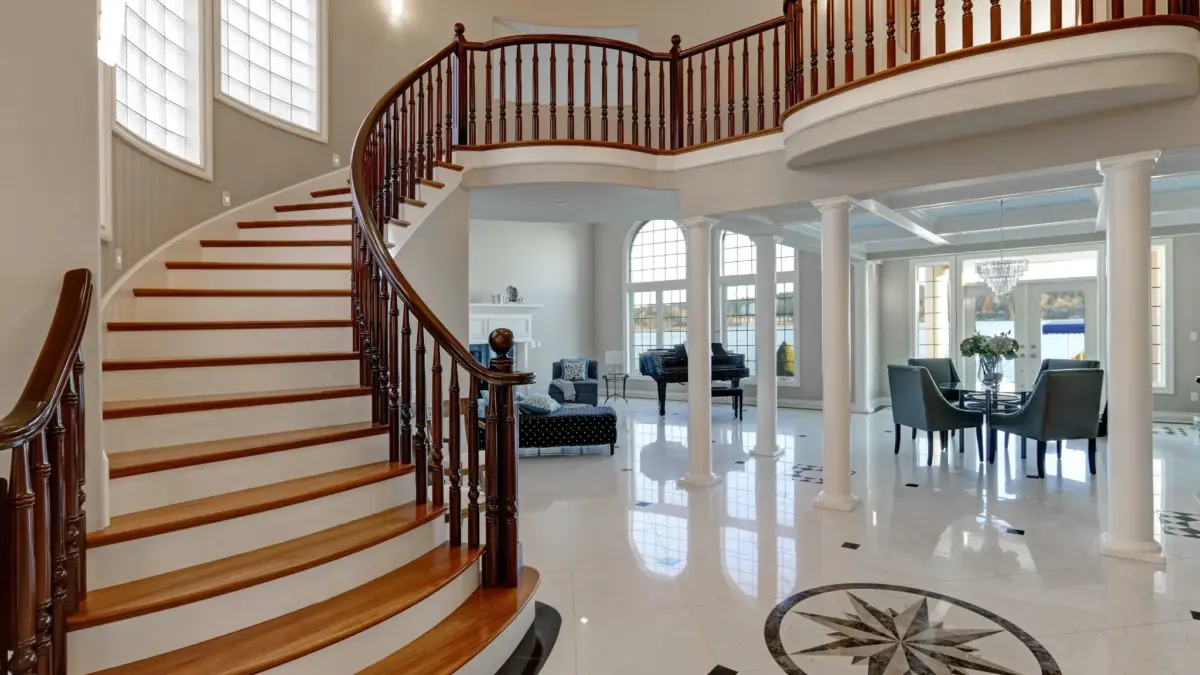
Balusters are the vertical members of a railing, set between the treads (or a bottom rail) and the handrail. They do two jobs. The first is safety: they fill the open side of a staircase or landing so nobody falls through or squeezes between them. The second is appearance: the rhythm, shape and color of the balusters go a long way toward defining the look of the whole staircase.
Balusters work together with the handrail and newel posts. If those are solid, replacing just the balusters is often the simplest way to refresh a railing. If the whole structure wobbles, the conversation should be about a new railing – see our stair railing buying guide.
Wood, metal or both – how do you choose?
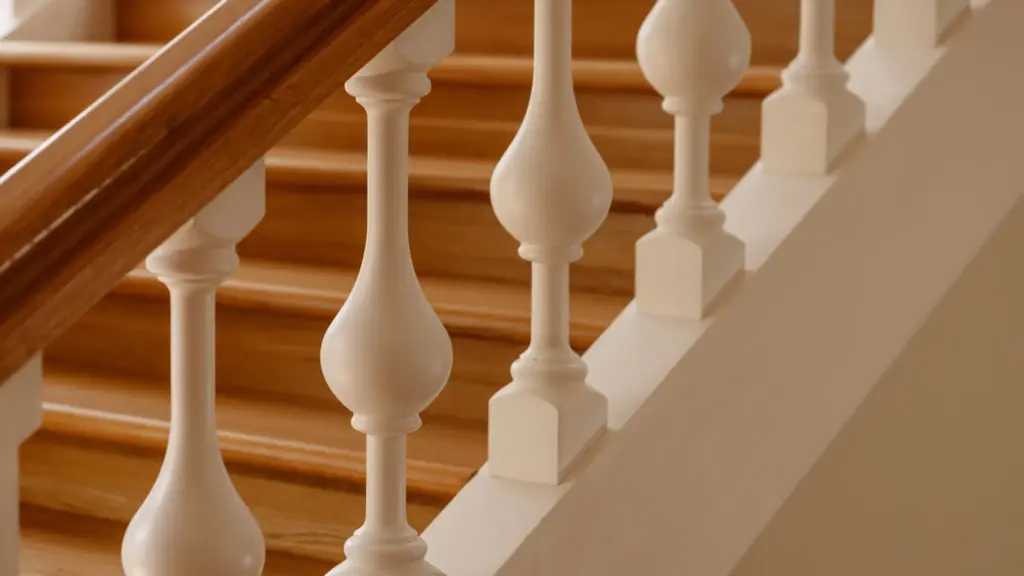
Wood balusters are the classic choice. Turned balusters, with a shaped profile, suit traditional interiors and older homes. Square balusters with clean edges work well in more contemporary spaces. Since wood takes stain or paint, its color can be blended with the treads, handrail and flooring.
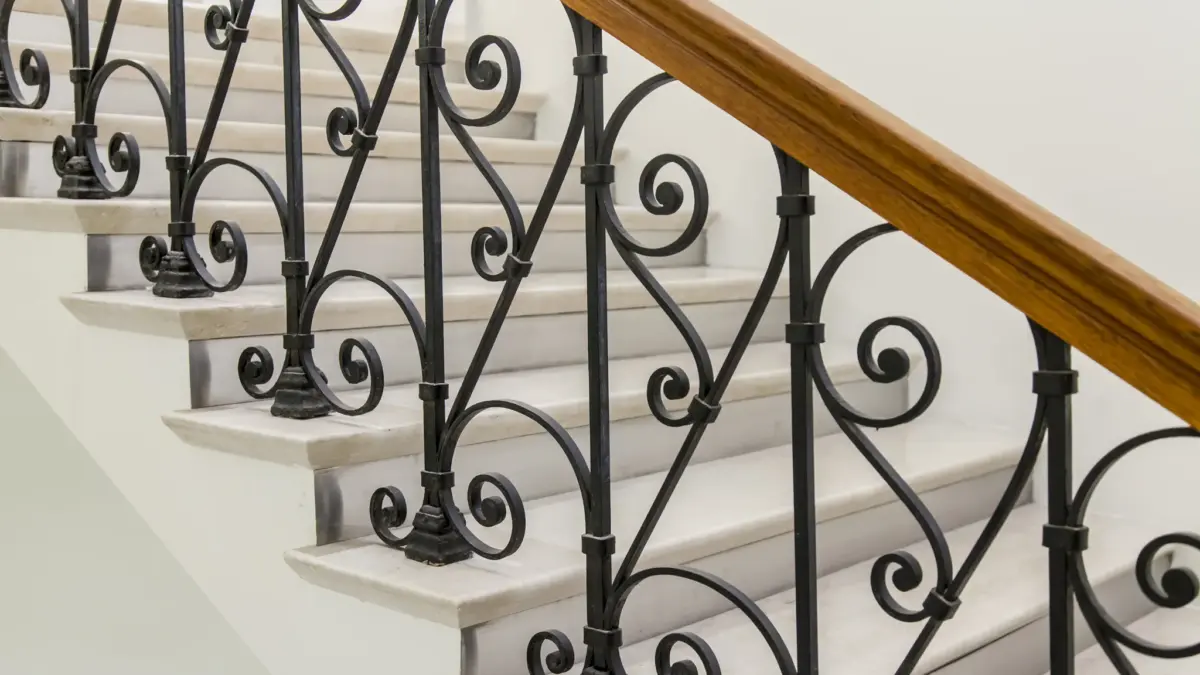
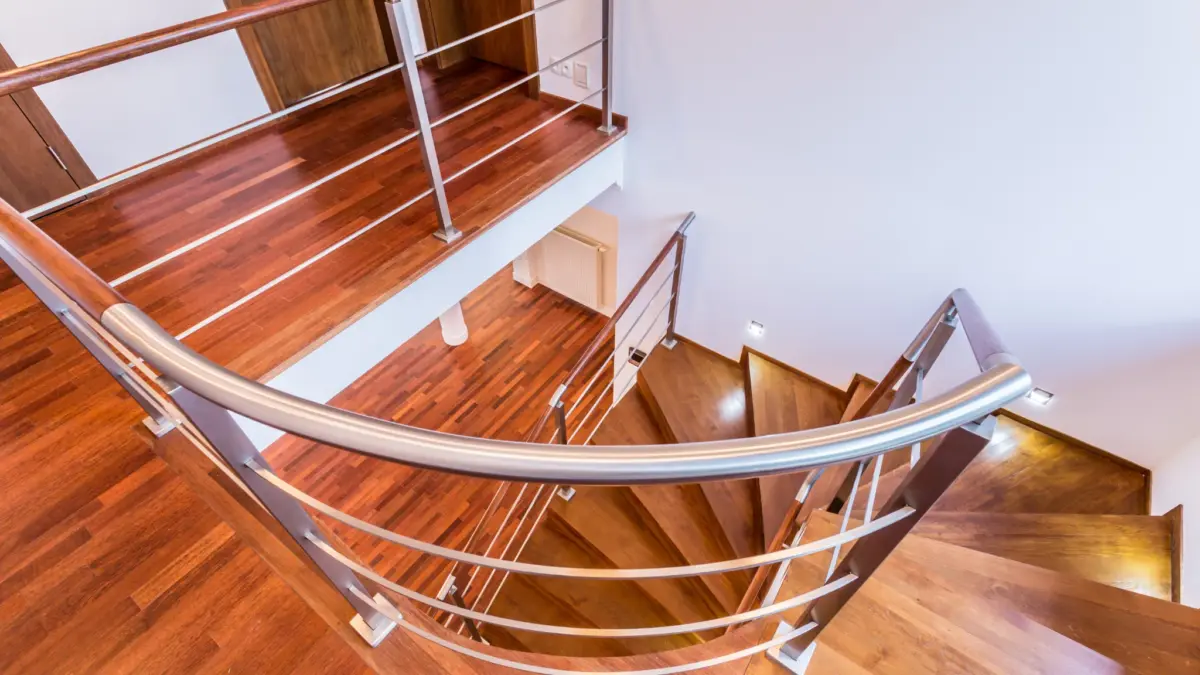
Metal balusters offer more freedom of form. Wrought iron allows scrolls, twisted bars and ornaments that give a railing a formal, elegant feel. Plain steel bars create a light, minimalist railing that keeps the space open. Metal balusters are usually slimmer than wood ones.
A very popular option combines the two: metal balusters under a wood handrail. It looks good in both traditional and modern homes, and in a remodel it lets you keep an existing wood handrail and replace only the infill.
How do you recreate an original baluster?
In older homes, balusters often have a profile you will not find in any catalog. For a new baluster to blend in with the rest, the fabricator needs an exact pattern. The best option is to provide one original baluster, so the profile, thickness and height can be copied.
If removing one is not possible, photos from several sides next to a tape measure help, along with measurements: overall height, the thickest and thinnest points, and the length of the straight sections at the top and bottom. Also check how the baluster attaches to the tread and handrail, since the new one has to fit the same way.
Finish is a separate question. Old wood darkens over the years, so a new baluster stained in exactly the same color may look lighter at first. That is why many homeowners choose to refinish the entire railing during a remodel so every piece looks consistent.
Balusters made to spec – what should the drawing include?
Contractors and architects often order balusters from their own drawings. A good spec saves time and avoids rework. It should include:
- the material and type (wood species or kind of metal),
- the shape and profile, ideally on a dimensioned drawing,
- the height and cross-section of the baluster,
- the quantity and layout on the stairs, landing or balcony,
- how the balusters attach to the treads and handrail,
- the finish: raw for painting, stain, clear coat, paint or a metal coating.
If the design is still in progress, it is worth reviewing it with the fabricator before final approval – an experienced shop can point out which details are practical to build and install.
What drives the cost of custom balusters?
The main factors are the number of balusters and the complexity of the shape. A simple square baluster or a plain bar takes less work than a turned profile or a hand-forged ornament. Material and finish matter too: preparing wood for paint is different work from staining and clear-coating it, or from protecting metal.
The third factor is the scope of the job: whether you need only the parts for your contractor to install, or also removal of the old balusters and installation on site. When comparing quotes, check exactly what each one includes.
What do building codes say about balusters?
Baluster spacing and railing height are set by building codes. In New York City, the NYC Construction Codes apply (details on the NYC Buildings website); New Jersey and Connecticut have their own state codes. The rules are there mainly to protect small children, so changing the baluster design or count should never be done by eye.
Before swapping balusters in an older railing, check with your contractor that the gaps will still be within code for your type of building. That is especially important for landings and for stairs used by children or older adults.
How do you care for balusters after installation?
Wood balusters only need regular dusting and a wipe with a slightly damp cloth. Over time, refresh the finish, especially in spots that take knocks, such as near the bottom steps. Indoor metal balusters need little attention; outdoors, check the coating after winter and touch up any damage before rust sets in.
For any railing, check every so often that the balusters have not worked loose. A loose baluster is not just a cosmetic issue – it weakens the whole railing.
Custom balusters from Atlantic Stairs
Atlantic Stairs NY, Inc. is a Polish family-owned business that has been around since 1993. From its Brooklyn workshop, it serves customers across the Tri-State Area – New York, New Jersey and Connecticut. Besides stairs and complete railings, it makes individual balusters and full sets in wood and metal, built to the customer’s specifications. Every piece is made by hand, in traditional or modern styles.
The company works with homeowners, contractors and architects. For orders that include installation, a site visit and measurement come first. Atlantic Stairs sets the installation date when it gives the quote and says its lead times are short. Homeowners can discuss the project in Polish, while the technical details with an architect or contractor can be handled in English.
We also published a short overview of baluster options in an article on Poland.us.
How to prepare for a quote
- Take photos. Shoot the whole railing from a few angles, then close-ups of a baluster, the handrail and a newel post.
- Have a sample ready. Pull one original baluster if you can; if not, photograph it against a tape measure and note the key dimensions.
- Count the balusters. How many need to be made and how many replaced – on the stairs, landings and balconies.
- Decide on the finish. Paint-grade or stain-grade wood, the exact color, and the type of coating for metal.
- Include the spec. For a new pattern, attach the architect’s drawing or a written description from the contractor.
Common mistakes when ordering balusters
The first mistake is ordering by eye, without a sample or measurements – even a slight mismatch in profile or thickness shows up in a row of balusters. The second is overlooking how they attach: a baluster that looks perfect may not fit the holes in the treads and handrail. The third is changing the spacing without checking the code.
The fourth mistake is adding a few balusters to a handrail and posts that need repair themselves. The fifth is ignoring the finish: new pieces that do not match in color and sheen will stand out for years.
Services, project photos and contact details are in the Atlantic Stairs listing in the PolishPages directory.
Call for a free catalog and a baluster quote: 718-417-8818