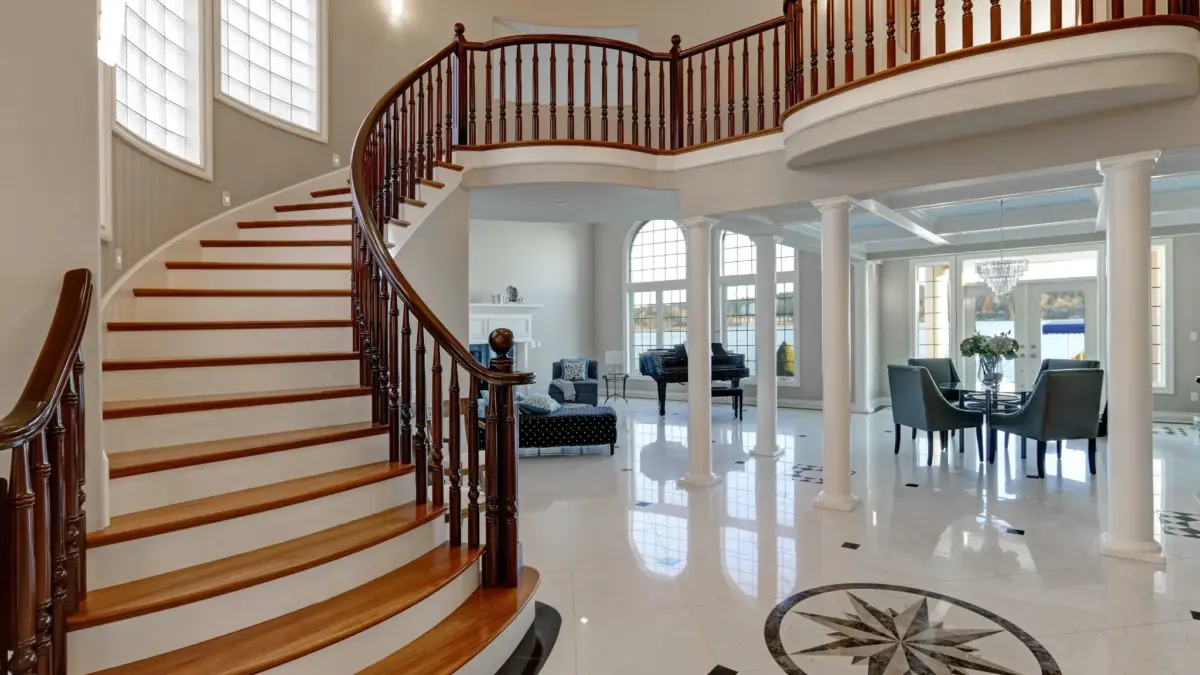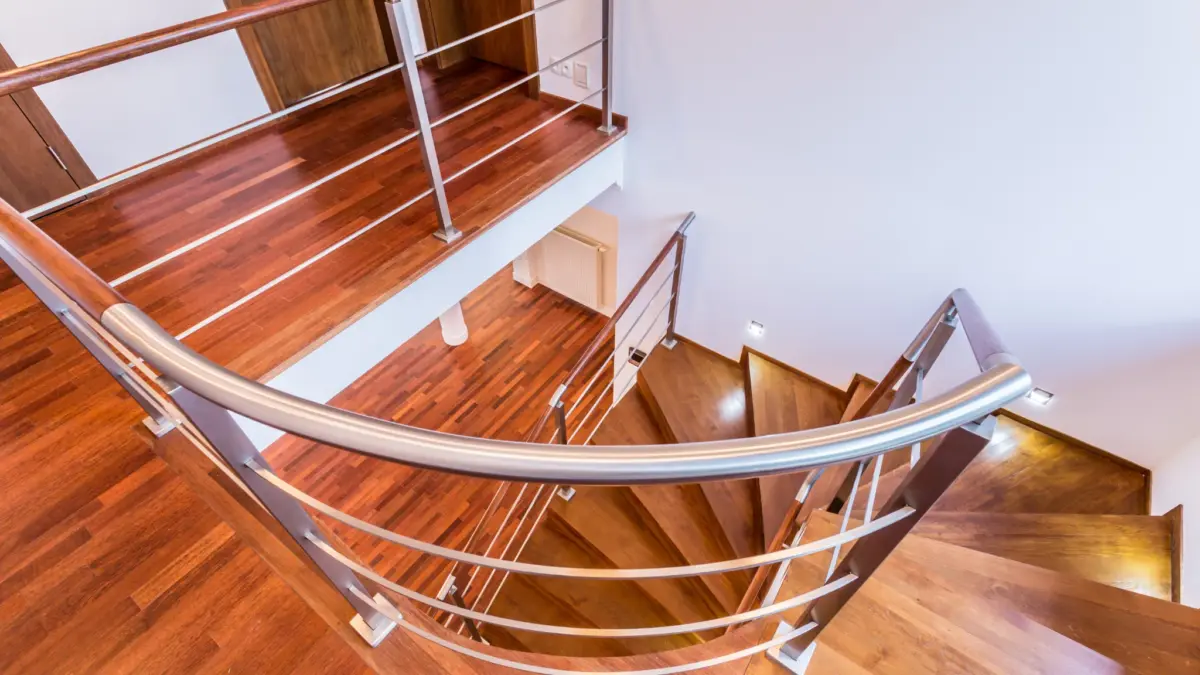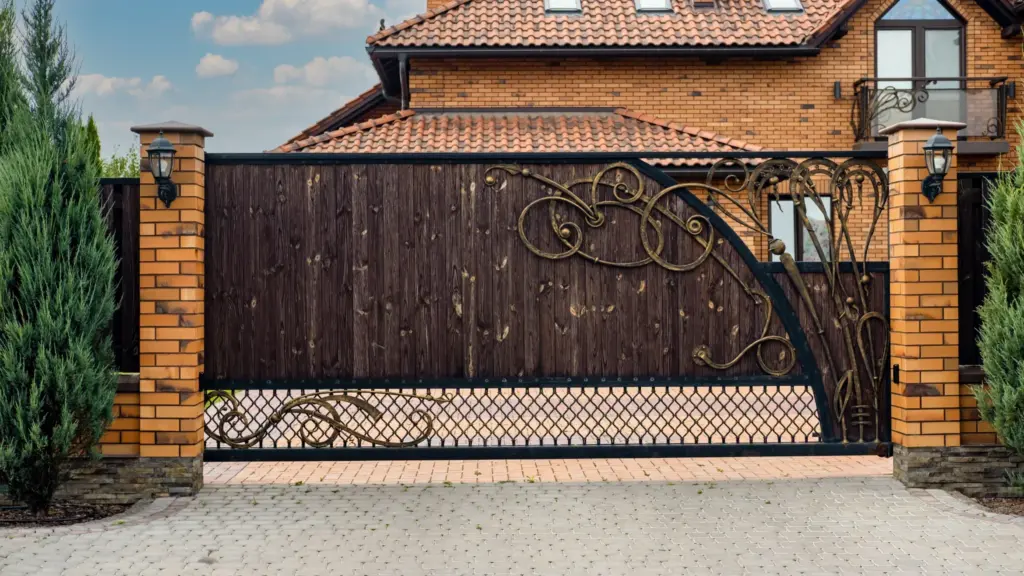
A custom gate or decorative piece is designed for one specific spot: the size of the opening, the style of the building and how it will be used. Most are made of steel, wrought iron, wood or a combination. For outdoor pieces, corrosion protection is key; for interior pieces, it’s how well they match the stairs and railings.
A gate from a big-box store fits a standard driveway. Around New York, standard is rare: narrow passages between buildings, sloped lots, an old wrought-iron fence whose pattern needs matching, or a façade where a mass-produced gate looks out of place. Interiors are no different – a loft partition or decorative panel has to fit exactly where it will stand.
This guide shows how to approach ordering a gate, walk gate or one-off architectural piece: from choosing the material, through cost factors and local rules, to preparing for a quote and avoiding common mistakes.
Swing gate or sliding gate – which should I choose?
A swing gate opens on hinges, as a single leaf or a pair. It is simpler to build, but it needs clearance to open – on your side of the property line or toward the street. On a short or sloped driveway, that can be a problem.
A sliding gate rolls along the fence line, so it takes up no space in front of the opening. It does need enough fence length to slide along, though. In other words, the layout of the lot decides first, and looks come second.
It’s also worth deciding early whether the gate might get an opener someday. Even if it will be opened by hand for now, it is easier to plan for the structure and mounting points at the design stage.
Which material works best for a gate?
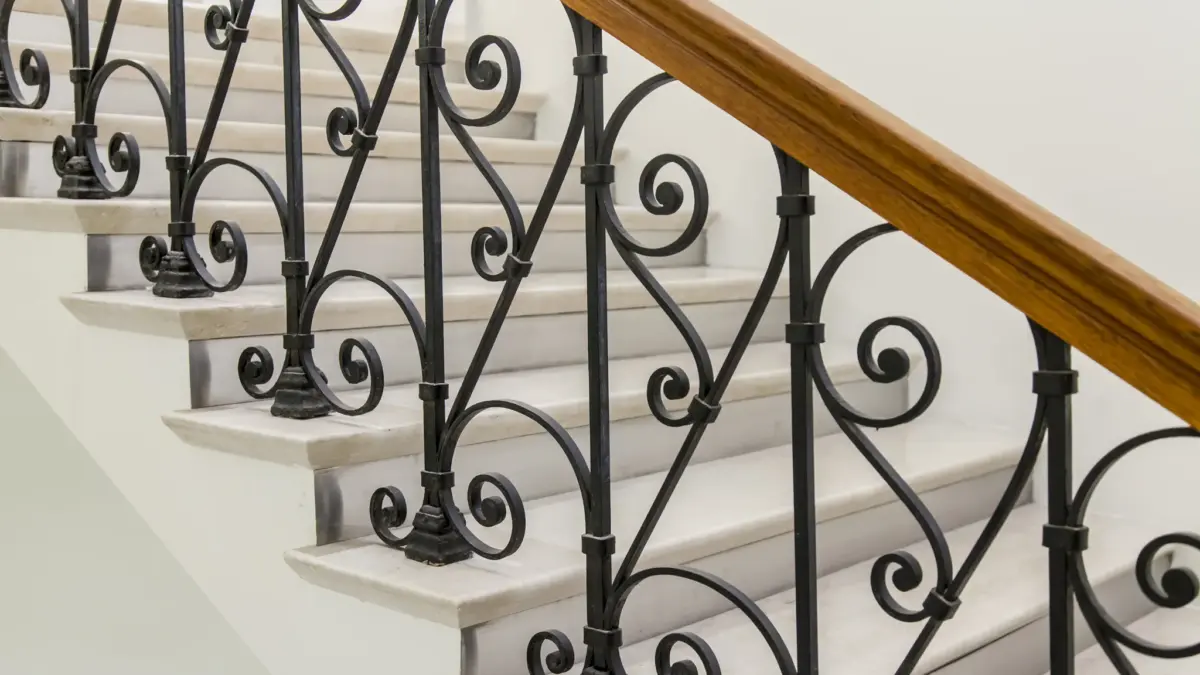
Steel allows clean, modern shapes and a solid structure. Wrought iron makes ornament possible – scrolls, arches and motifs that can echo the railing on the front steps. Wood on a metal frame softens the look and suits traditional homes.
Outdoors, the choice of material isn’t only about appearance. A gate has to survive New York winters, rain and road salt, so ask the fabricator how the metal will be protected against corrosion and how to care for the gate in the years ahead.
What decorative pieces can be custom-made for interiors?
The skills behind stairs and railings carry over to other interior pieces. Open-pattern partitions that divide a loft without blocking light, along with screens, decorative panels and landing railings, use similar materials and similar techniques.
The biggest advantage of ordering from one fabricator is consistency. A partition, railing and staircase designed together form a whole, repeating the same materials, colors and details. Consistent, well-thought-out details also make an interior look designed as a whole rather than pieced together.
What affects the cost of a custom gate or piece?
The first factor is size and structure: a wide sliding gate requires a different build than a small walk gate. The second is material and ornamentation – hand-forged details take more work than plain profiles. The third is installation: setting posts, preparing the ground, access to the site and any fitting to an existing fence.
When comparing quotes, check whether they cover design, fabrication, protective finishing, delivery and installation. For interior pieces, also check whether the price includes a finish that matches the rest of the home.
Does a gate or fence need approval?
Local requirements may apply to fences and gates, for example on height or setback from the sidewalk. New York City follows the NYC Construction Codes (code information on the NYC Buildings website), while New Jersey and Connecticut have state and local rules. For bigger changes, check the requirements with your city or town before ordering.
In multifamily and commercial buildings, it’s also wise to clear the design with the building manager or the architect overseeing the renovation.
How long does it take, and how do I care for a gate afterward?
The timeline depends on the size of the piece, how ornate it is and whether the site needs preparation first, such as setting new posts. Design and shop fabrication usually take the longest; installation on site is shorter. That’s why it pays to fix the date at the quote stage, especially if the gate needs to be in before winter or before a renovation wraps up.
Once installed, an exterior gate needs simple but regular care. After each winter, check the coating and welds, and seal small chips before rust starts. Clean hinges and tracks from time to time and make sure the leaves aren’t sagging. Interior pieces mostly need cleaning suited to their material.
How does ordering from Atlantic Stairs work?
Atlantic Stairs NY, Inc. is a Polish family business founded in 1993. From its shop in Brooklyn it serves clients across the Tri-State Area – New York, New Jersey and Connecticut. Besides stairs and railings, the company designs and handcrafts gates and takes on unusual metalwork and carpentry jobs, such as loft partitions and architectural details.
Pieces are made from wood, metal and other materials, in traditional and modern styles, for homes and commercial properties. A design can be based on the owner’s idea, an inspiration photo or an architect’s drawings, and the company also works with general contractors. Every job starts with an on-site measurement; Atlantic Stairs sets the installation date at the quote stage and says it keeps lead times short.
Request a free catalog and quote: 718-417-8818
Why it helps to talk it through in your own language
A custom job always involves a lot of decisions: dimensions, how it opens, material, finish, mounting and timing. With a piece made from scratch, every detail counts, and a misunderstanding often surfaces only at installation, when it’s hard to fix.
Being able to discuss the project in Polish makes it easier to explain exactly what you want and to understand what the fabricator proposes. When an architect or contractor is involved, the technical details can be settled with them in English.
How to prepare for a quote
- Photograph the site. The driveway, fence, façade or the room where the piece will go – from several angles.
- Take rough measurements. The width of the opening, the height and the space needed for the gate to swing.
- Gather inspiration. Photos of gates, walk gates or partitions you like, plus photos of the existing railings and fence the piece should match.
- Think ahead. Will the gate get an opener? Should the partition be fixed or sliding?
- Settle timing and approvals. When the piece needs to be ready and whether it needs sign-off from the town or the building manager.
Services, project photos and contact details are in the Atlantic Stairs profile in the PolishPages directory. For a shorter overview, see our article on Poland.us.
Common mistakes when ordering gates and decorative pieces
The first mistake is choosing a gate without checking how much clearance it needs to open. The second is skipping corrosion protection on outdoor pieces. The third is designing the gate in isolation from the rest of the house – the fence, railings and façade.
The fourth mistake is not deciding about an opener at the design stage, which makes adding one harder later. The fifth is ordering interior pieces without an on-site measurement, when uneven walls or floors can mean a finished partition doesn’t fit.
A gate or partition made to measure serves for years and becomes part of a home’s character. The best results come from a design prepared after a measurement, with the whole building in mind rather than a single element.
Schedule a measurement and quote with Atlantic Stairs: 718-417-8818